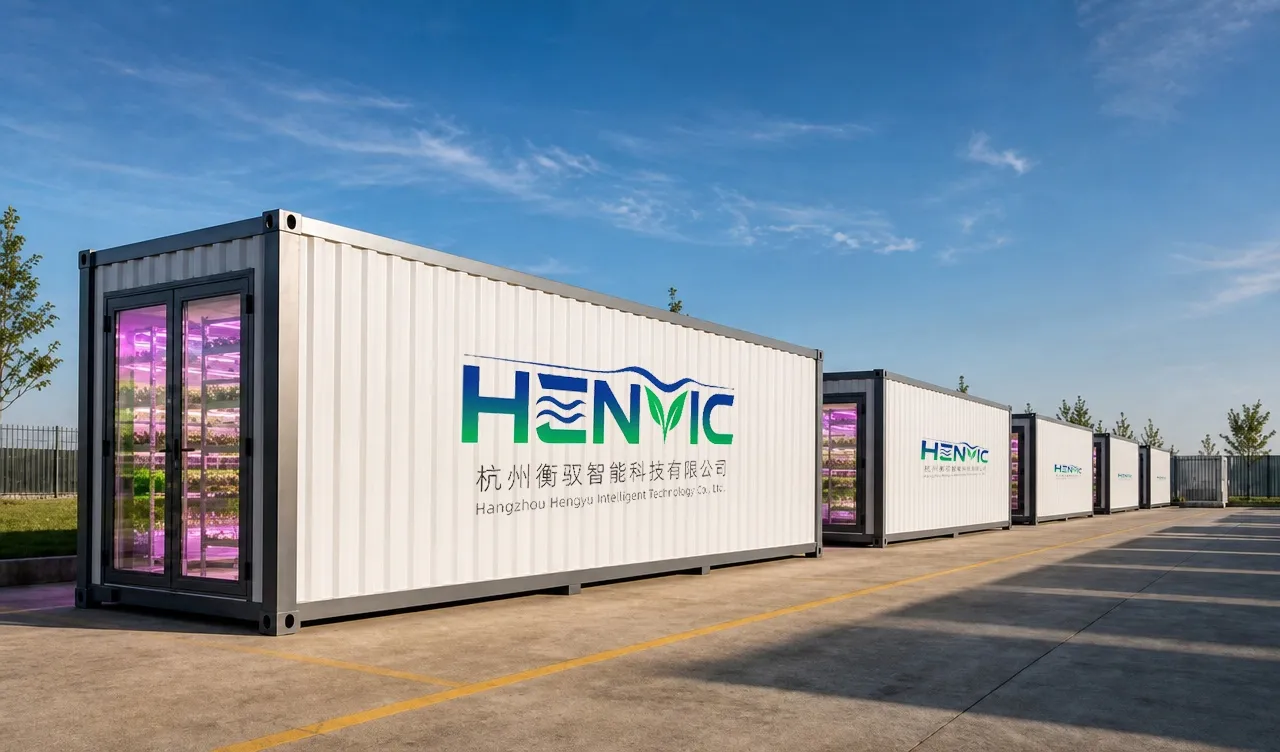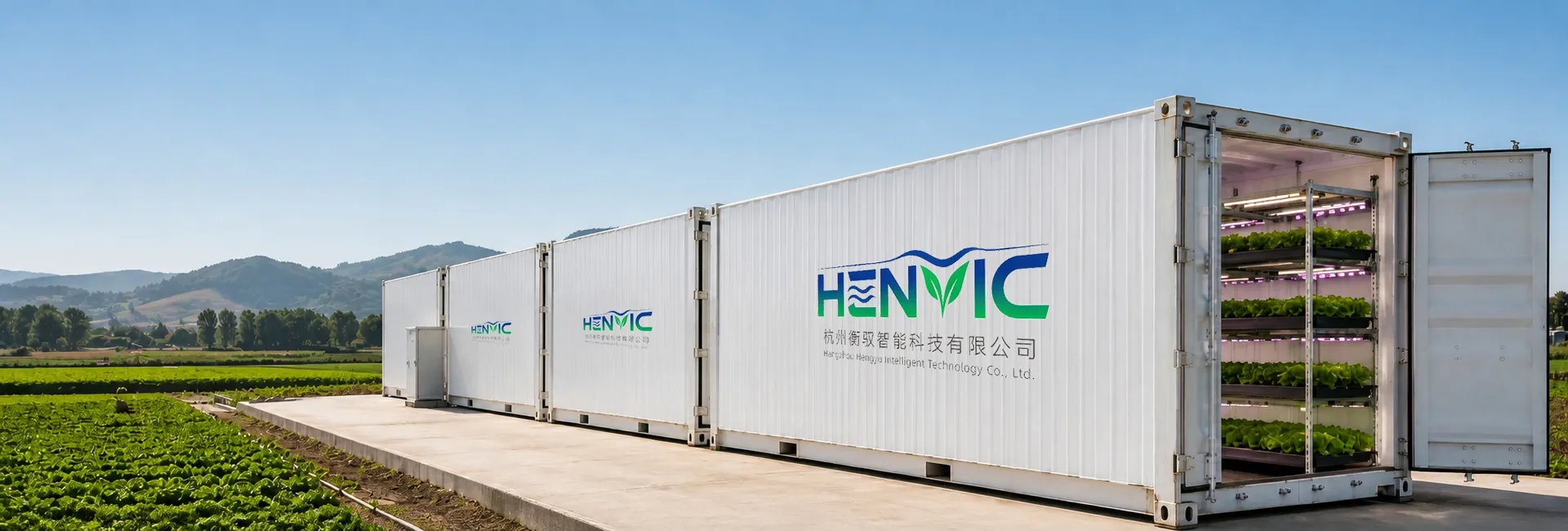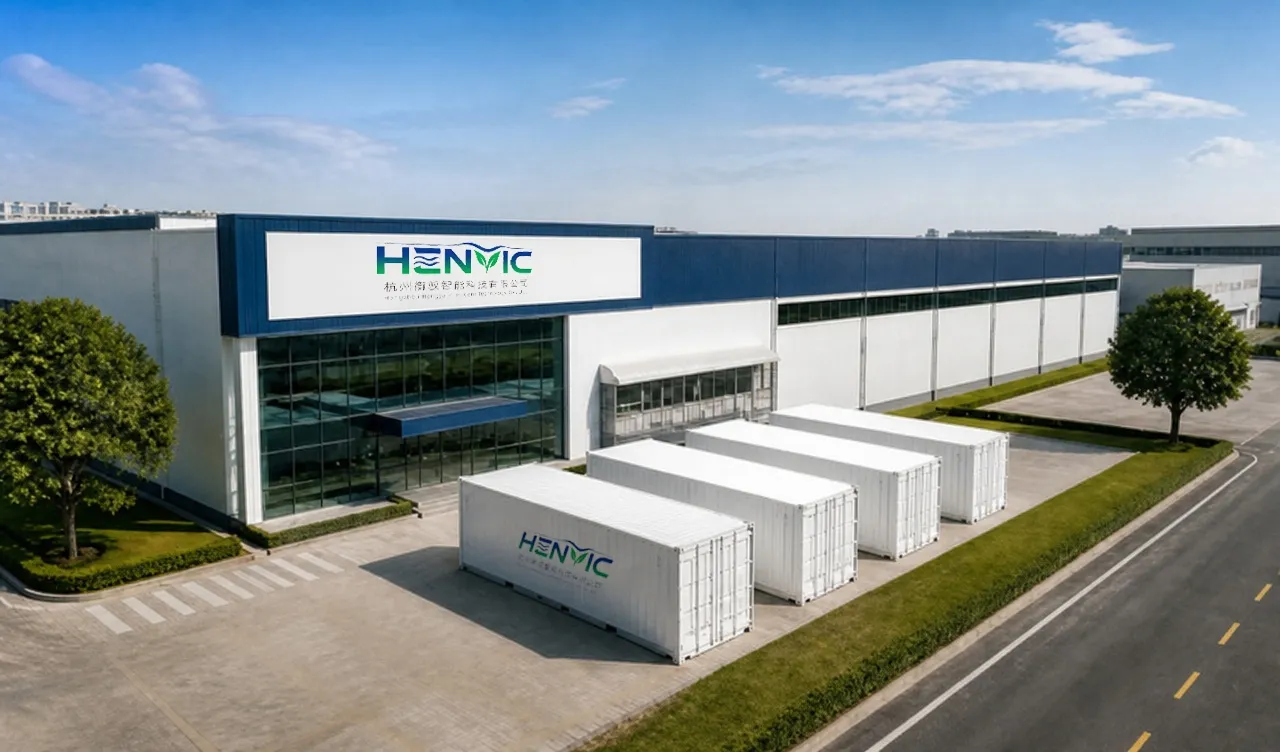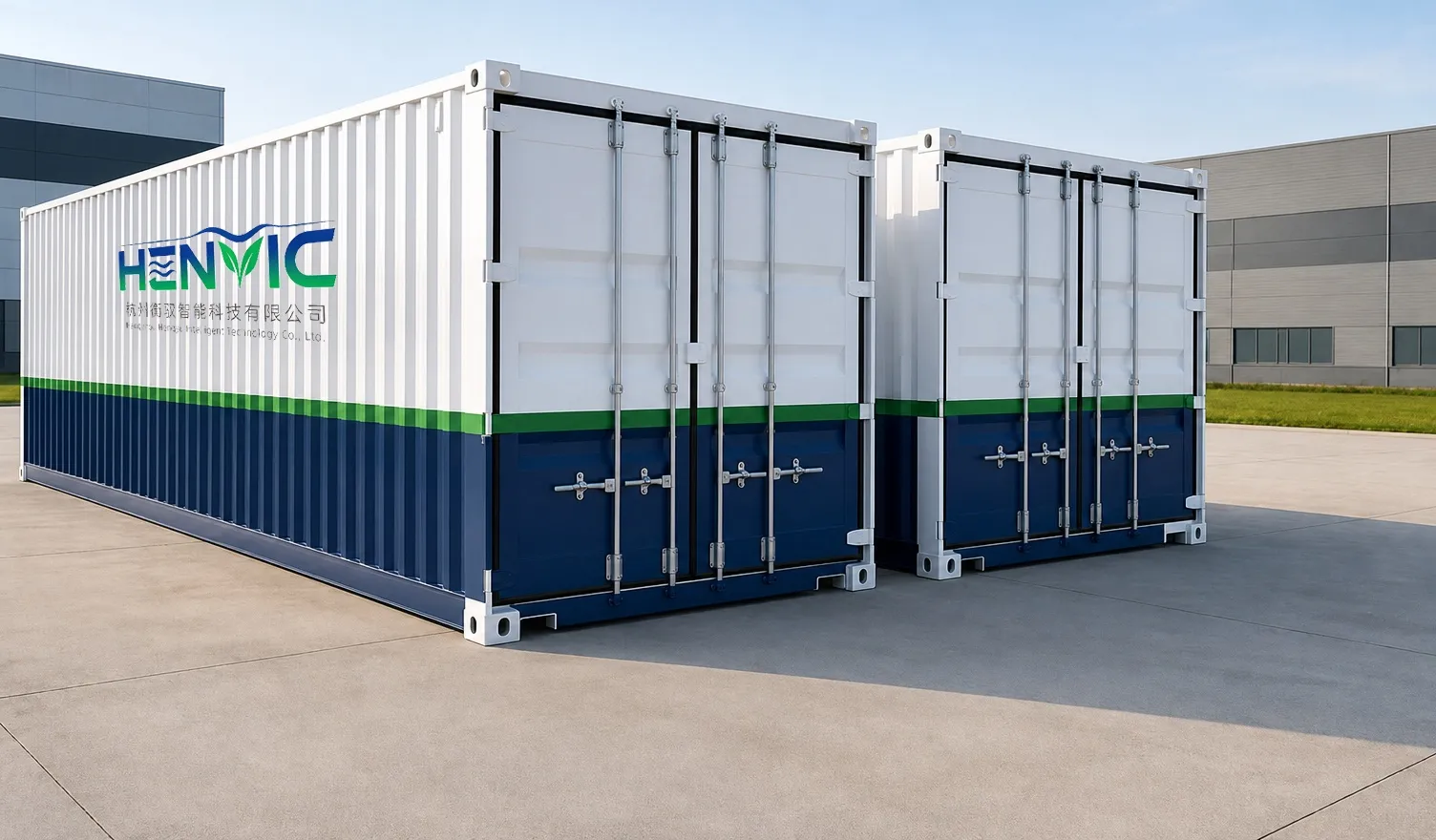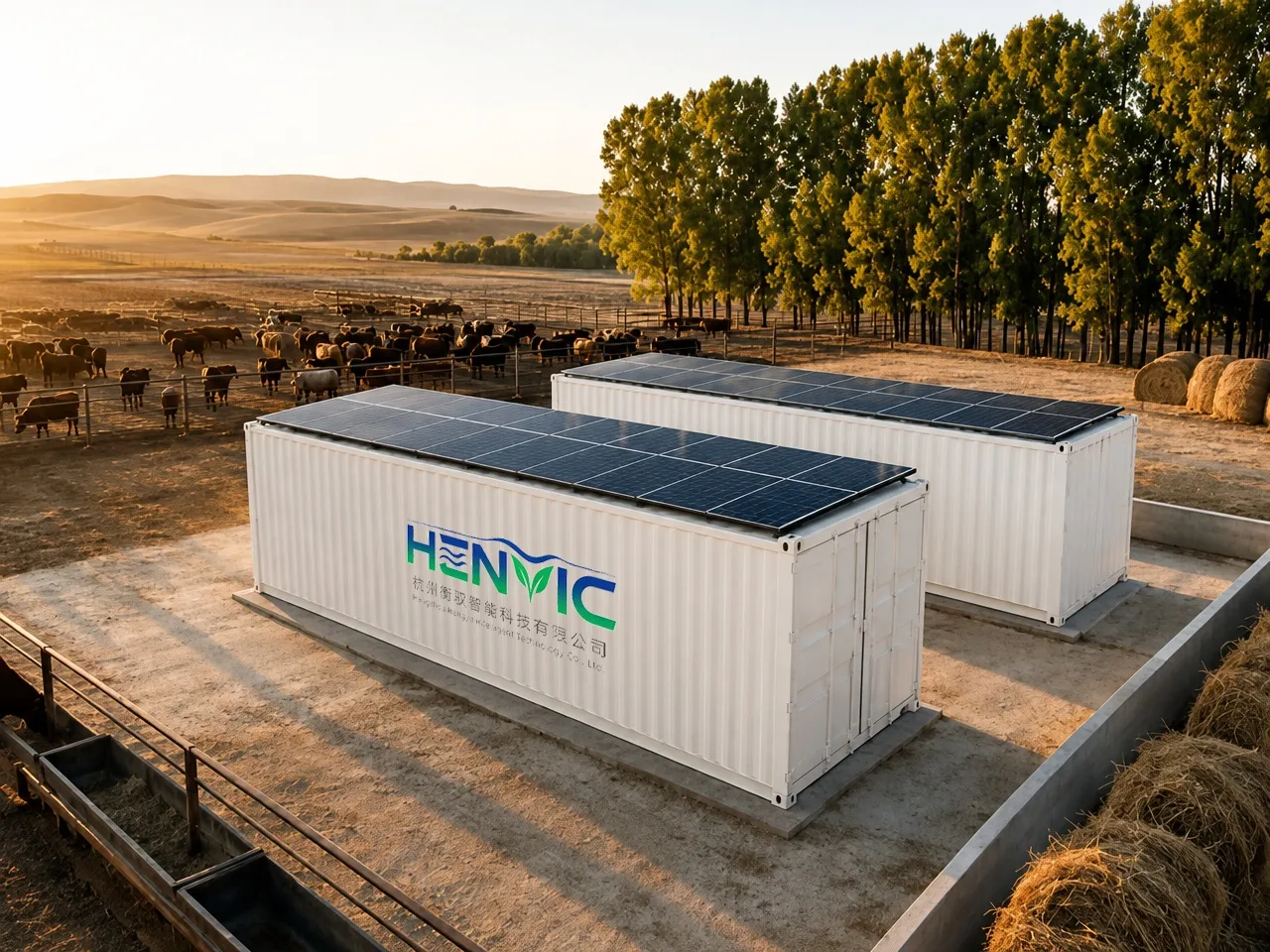
40 ft Mushroom Container Mini Oyster Mushroom Programme
PRODUCT OVERVIEW
This unit is configured for Supermarket and Fresh Retail. Mini Oyster Mushroom is a Specialty species grown by Bag cultivation, with 12 cycles a year; daily work centres on climate rounds, bag condition checks and harvest grading.
Humidification uses softened water to avoid mineral spotting on caps; drainage collects at a sealed sump so wash water does not stand on the floor.
A mainstay for small retail packs with uniform fruiting, well suited to steady weekly supply.
Supermarkets and fresh retail site the unit near the distribution centre, scheduling Mini Oyster Mushroom to store sales and cutting the water loss and damage of extra handling.
CROP AND OUTPUT DATA
Species | Mini Oyster Mushroom (Specialty) |
Cultivation | Bag cultivation |
Flushes | 1 flush |
Growing cycle | 30 days |
Yield | 0.5 kg per bag |
Load per cycle | 3,200 bags |
Monthly output | 1,600 kg |
Annual output | 19,200 kg |
Cycles per year | 12 |
Figures follow the 40 ft mushroom container baseline: 3,200 bags per cycle, or 83 m² of compost bed for button mushroom. Output is an estimate and varies with substrate quality, fruiting climate and harvest practice.
KEY ADVANTAGES
· Species can be combined to order; commodity and specialty crops share the same shell.
· Output is directly calculable: 3,200 bags per cycle, 0.5 kg per bag.
· Independent cooling and humidification loops hold humidity without over-cooling, so caps stay firm.
· Bag supply and process training are included, so production starts on a batch basis.
· Each unit runs independently, so parallel containers do not interfere.
· Softened humidification water reduces mineral spotting and water damage on caps.
· Batch climate records make yield variation traceable to its cause.
· Filtered fresh air under positive pressure limits wild spores and competitor moulds.
CONTAINER CONFIGURATION
Footprint | 12.0 x 2.45 x 3.0 m (40 ft container) |
Growing system | Bag cultivation |
Load per cycle | 3,200 bags |
Temperature | 12 - 24 °C, set per species |
Relative humidity | 85 - 95% during fruiting |
CO2 and fresh air | Capped per species; filtered air under slight positive pressure |
Lighting | Staged lighting for cap form and colour |
Humidification water | Softened to limit mineral spotting on caps |
Control and monitoring | PLC, touchscreen HMI, remote monitoring and alarms |
Delivery | Pre-commissioned at the factory, set and connected on site |
CLIMATE AND CONTROL
Multi-tier racks are sized to the bags with enough fruiting space between tiers, and a picking aisle runs the full length. Loading and harvest sit at opposite ends so product never backtracks.
Humidification water is softened to limit mineral deposits on caps; floor drainage collects at one point, and cleaning uses fogging rather than heavy washing.
CULTIVATION AND SCHEDULING
Each batch ends with cleaning, disinfection and drying before the next bags enter; shorter downtime protects the 12-cycle annual capacity.
The standard schedule assumes 3,200 bags per unit and 30-day batches, giving 12 cycles a year. With several units, stagger loading weekly so harvest, packing and cleaning do not collide.
DELIVERY, TRAINING AND SERVICE
Multi-unit sites share pre-cooling and packing while each container controls its own climate, so species and batches run in parallel.
Remote support reads controller curves to diagnose contamination, humidity faults and equipment issues, resolving most without a site visit.
FREQUENTLY ASKED QUESTIONS
What is the typical energy consumption?
Cooling and humidification dominate the load, varying with species temperature and local climate; a project-specific load calculation is provided with the design.
How many units can one operator manage?
One operator can cover daily rounds and harvest coordination for two to three units, with extra hands at loading and harvest peaks.
How is CO2 controlled during fruiting?
CO2 is capped per species and managed with fresh and recirculated air. High CO2 stretches stems and shrinks caps; low CO2 makes humidity hard to hold.
How much mushroom does one unit produce in a year?
With 3,200 bags per cycle, one unit yields 708 - 1,920 kg a month and 8,500 - 23,040 kg a year depending on species. For Mini Oyster Mushroom: 0.5 kg per bag per bag, 1,600 kg a month, 19,200 kg a year.
CONTACT AND DATA NOTES
Hangzhou Hengyu Intelligent Technology Co., Ltd. designs, builds and delivers complete mushroom containers. Share your site conditions, target species and weekly volume, and we will return a layout, a batch schedule and a climate load estimate. Figures in this document use the 40 ft mushroom container (3,200 bags per cycle; 83 m² of compost bed for button mushroom) as the baseline and are estimates, not a performance guarantee.