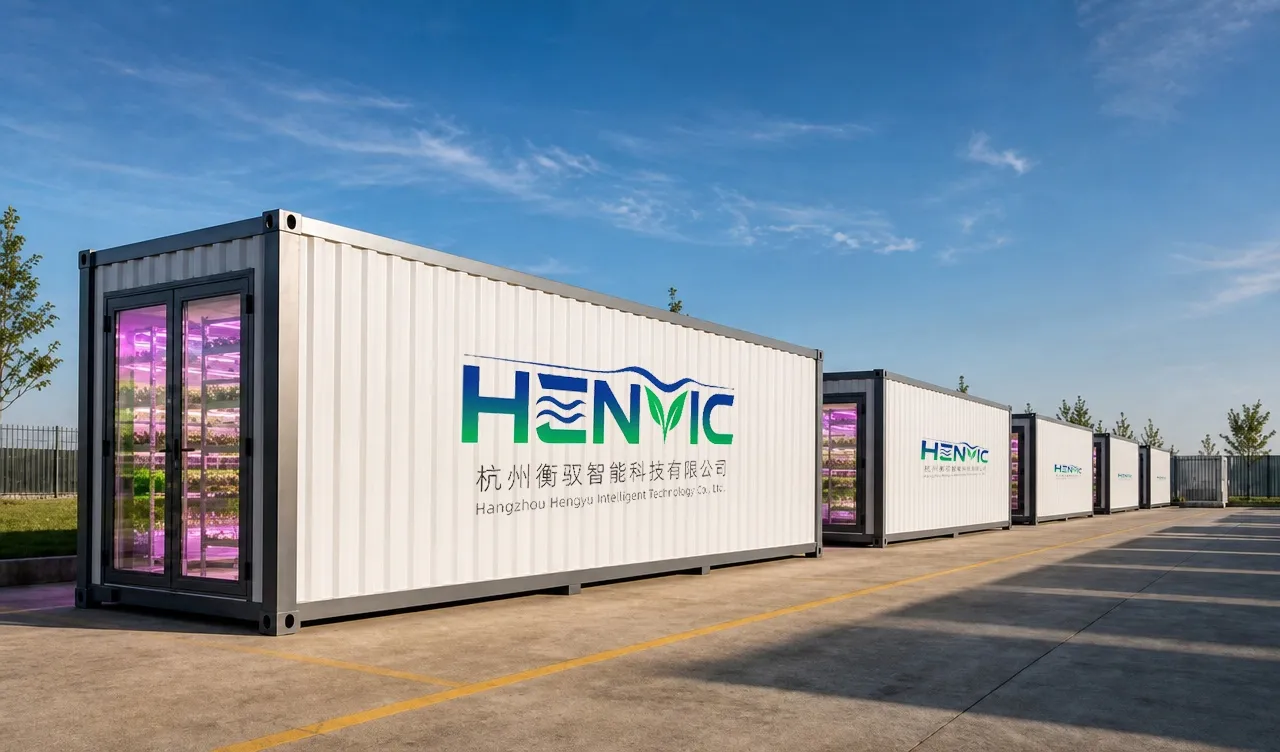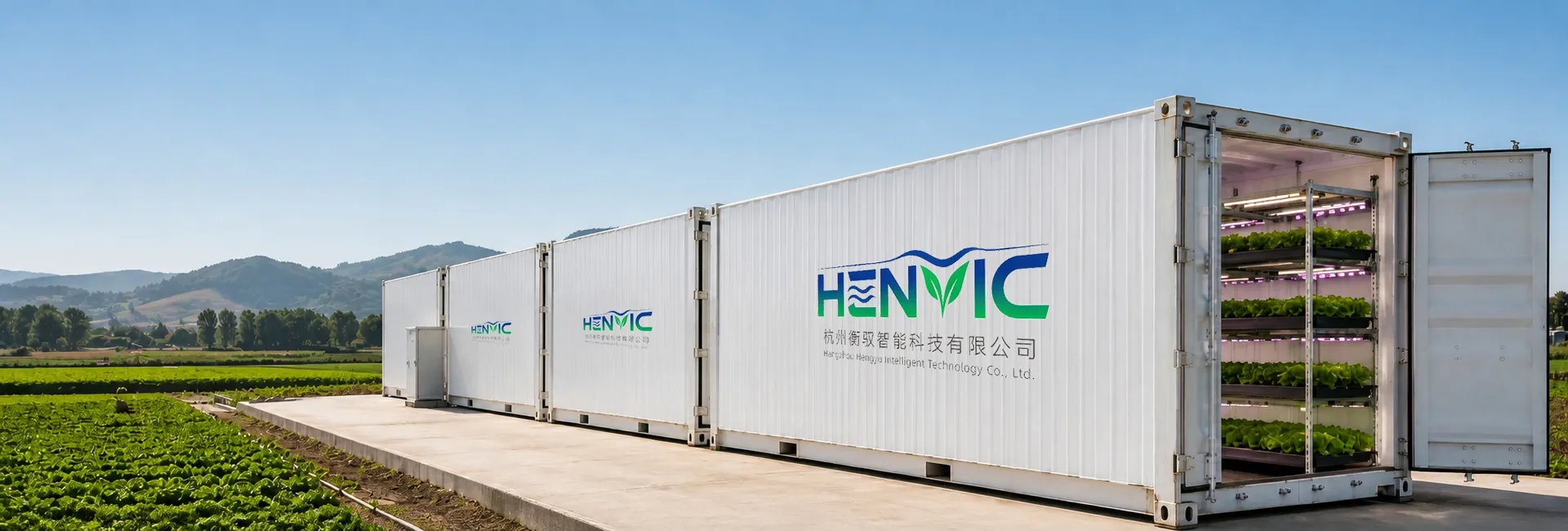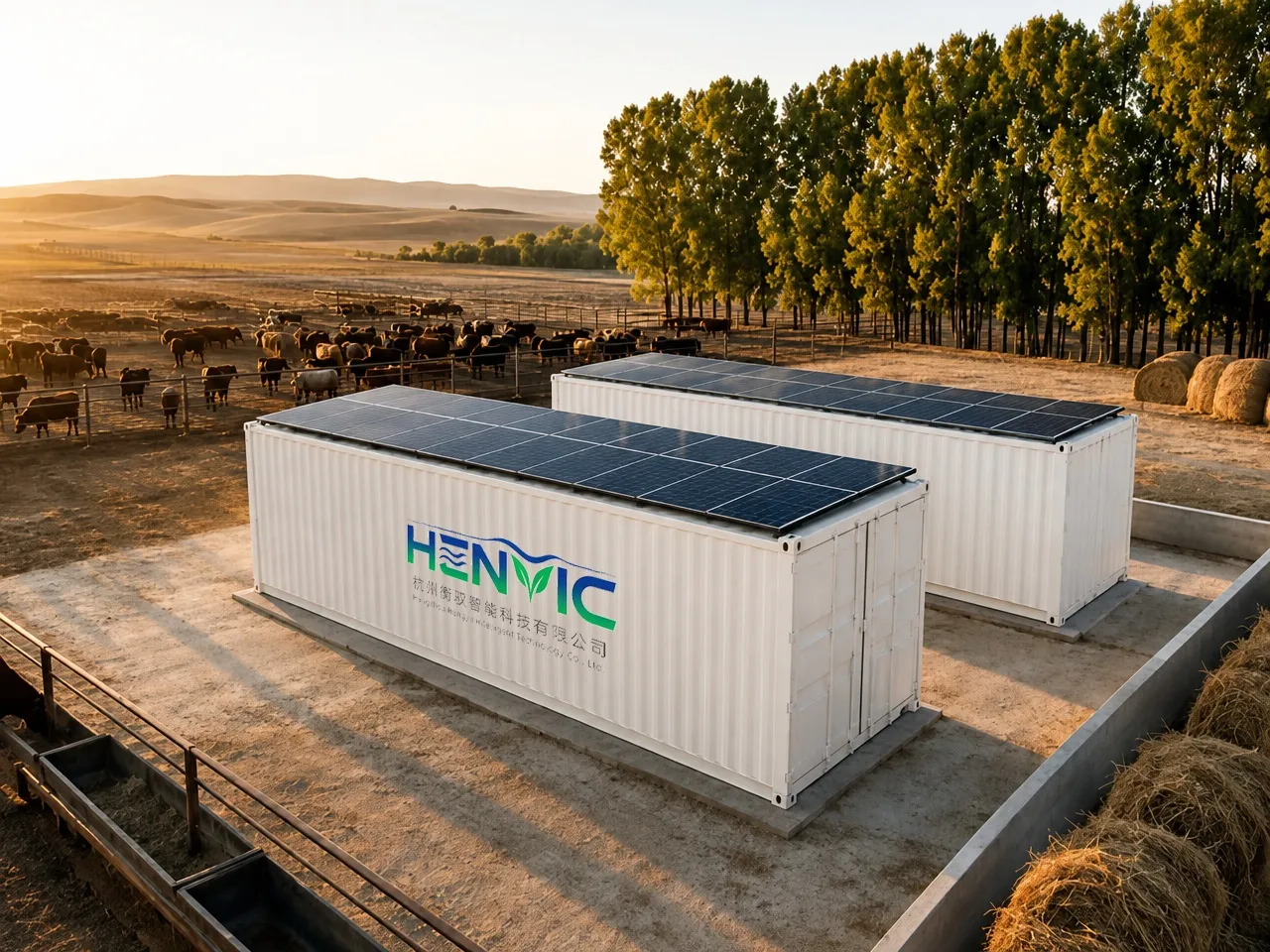
40 ft Mushroom Container Mini Oyster Mushroom Programme
PRODUCT OVERVIEW
Mini Oyster Mushroom runs in 30-day batches here. With 3,200 bags loaded, Mini Oyster Mushroom yields 0.5 kg per bag, equivalent to 1,600 kg a month. The rhythm is set by batches, not by season.
Humidification uses softened water to avoid mineral spotting on caps; drainage collects at a sealed sump so wash water does not stand on the floor.
A mainstay for small retail packs with uniform fruiting, well suited to steady weekly supply.
Restaurants and hotels order to the menu; Mini Oyster Mushroom reaches the kitchen on harvest day with dry caps and full aroma, steadier than long-haul product.
CROP AND OUTPUT DATA
Species | Mini Oyster Mushroom (Specialty) |
Cultivation | Bag cultivation |
Flushes | 1 flush |
Growing cycle | 30 days |
Yield | 0.5 kg per bag |
Load per cycle | 3,200 bags |
Monthly output | 1,600 kg |
Annual output | 19,200 kg |
Cycles per year | 12 |
Figures follow the 40 ft mushroom container baseline: 3,200 bags per cycle, or 83 m² of compost bed for button mushroom. Output is an estimate and varies with substrate quality, fruiting climate and harvest practice.
KEY ADVANTAGES
· Independent cooling and humidification loops hold humidity without over-cooling, so caps stay firm.
· Condensation-controlled envelope keeps walls from dripping onto the beds.
· Output is directly calculable: 3,200 bags per cycle, 0.5 kg per bag.
· 1,600 kg a month and 19,200 kg a year let supply be planned backwards from contracts.
· Loading and harvest zones are separated to keep people and product flows apart.
· Filtered fresh air under positive pressure limits wild spores and competitor moulds.
· Species can be combined to order; commodity and specialty crops share the same shell.
· Fruiting at 12 - 24 °C and 85 - 95% RH, set per species and independent of outside weather.
CONTAINER CONFIGURATION
Footprint | 12.0 x 2.45 x 3.0 m (40 ft container) |
Growing system | Bag cultivation |
Load per cycle | 3,200 bags |
Temperature | 12 - 24 °C, set per species |
Relative humidity | 85 - 95% during fruiting |
CO2 and fresh air | Capped per species; filtered air under slight positive pressure |
Lighting | Staged lighting for cap form and colour |
Humidification water | Softened to limit mineral spotting on caps |
Control and monitoring | PLC, touchscreen HMI, remote monitoring and alarms |
Delivery | Pre-commissioned at the factory, set and connected on site |
CLIMATE AND CONTROL
Filtered fresh air enters under slight positive pressure and CO2 is capped per species. Too little exchange stretches stems and shrinks caps; too much drops humidity - the control logic balances both.
The refrigeration loop handles cooling and dehumidification while the humidification loop adds moisture independently. That split keeps high humidity without relying on low temperature, so caps neither dry nor sweat.
CULTIVATION AND SCHEDULING
Harvest crews are sized against 0.5 kg per bag per bag, and product is cooled immediately to limit water loss and browning.
The standard schedule assumes 3,200 bags per unit and 30-day batches, giving 12 cycles a year. With several units, stagger loading weekly so harvest, packing and cleaning do not collide.
DELIVERY, TRAINING AND SERVICE
Training covers four tasks: bag acceptance, climate rounds, harvest grading and room sanitation. Most teams operate independently within a week.
Consumables are stocked regionally - filters, humidifier modules, sanitiser and bag crates - with standard items shipped within five working days.
FREQUENTLY ASKED QUESTIONS
What is the typical energy consumption?
Cooling and humidification dominate the load, varying with species temperature and local climate; a project-specific load calculation is provided with the design.
How much mushroom does one unit produce in a year?
With 3,200 bags per cycle, one unit yields 708 - 1,920 kg a month and 8,500 - 23,040 kg a year depending on species. For Mini Oyster Mushroom: 0.5 kg per bag per bag, 1,600 kg a month, 19,200 kg a year.
How is CO2 controlled during fruiting?
CO2 is capped per species and managed with fresh and recirculated air. High CO2 stretches stems and shrinks caps; low CO2 makes humidity hard to hold.
Is climate control difficult to operate?
The system runs the species recipe automatically; operators do rounds and handle alarms. The critical disciplines are softened water, positive pressure and thorough drying after cleaning.