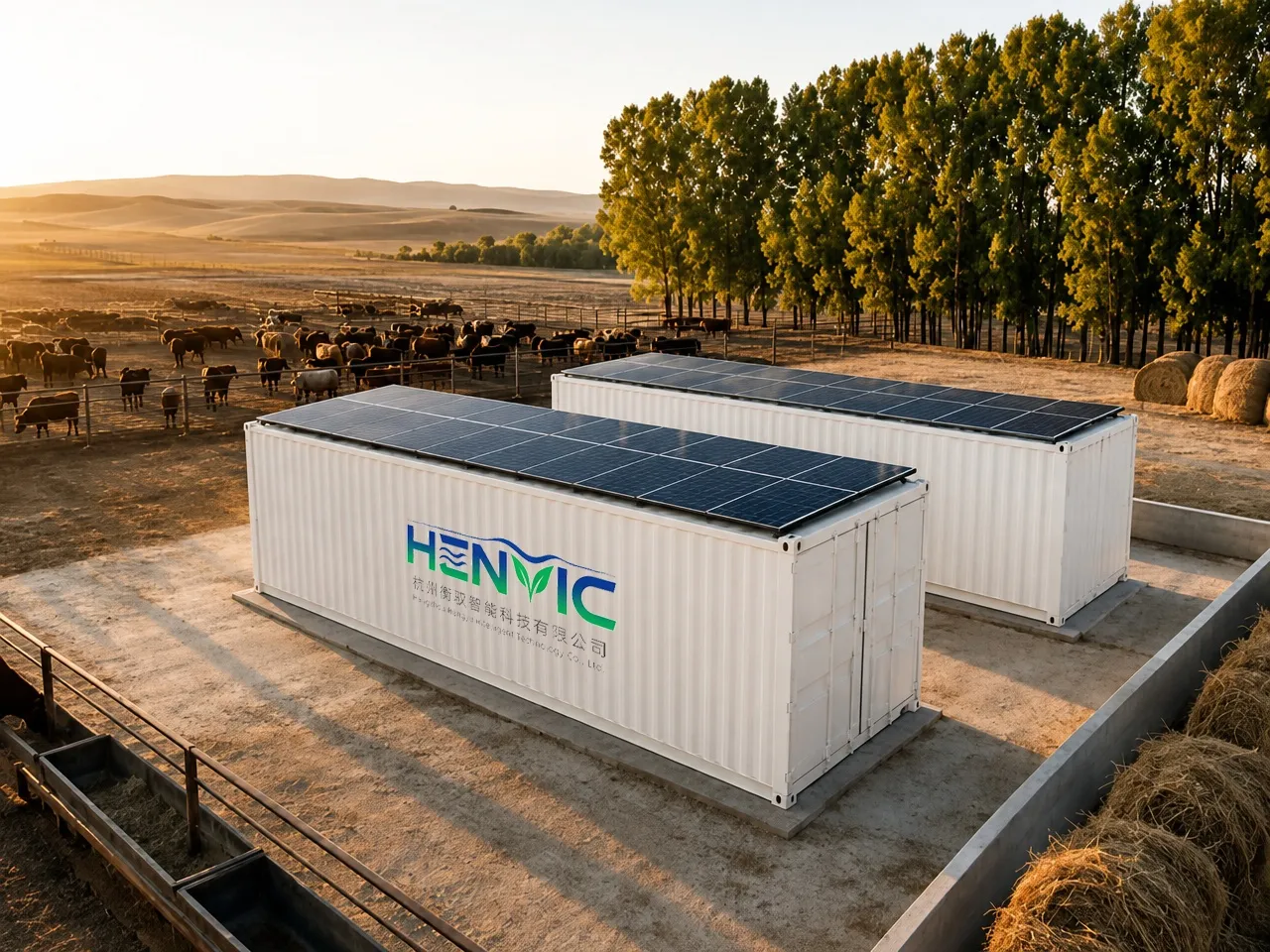
Container-based plant factory:Cherry Radish Programme
PRODUCT OVERVIEW
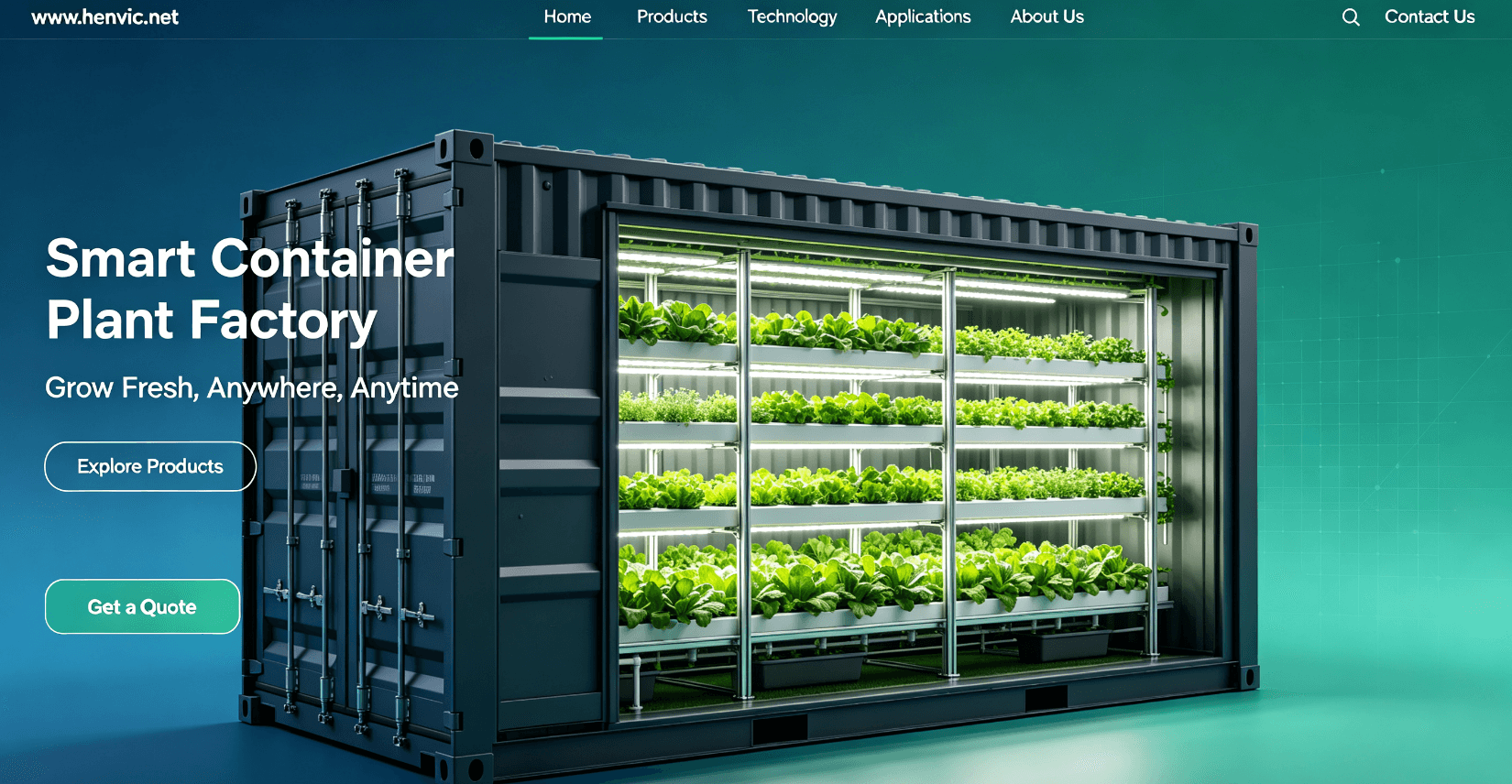
Running the Cherry Radish schedule, a single 40 ft unit produces 450 - 900 kg a month, or 15 - 30 kg of fresh greens a day - a volume that matches a mid-sized restaurant account or a community delivery point.
Logging covers temperature, humidity, CO2, EC, pH and light by batch, supporting order audits and origin documentation.
A representative root crop with a narrow harvest window; schedule against orders to avoid oversupply.
Supermarkets and fresh retail site the unit behind the store or at the distribution centre, scheduling Cherry Radish to store sales and cutting transport losses.
CROP AND OUTPUT DATA
Variety | Cherry Radish (Root crop) |
Growing cycle (transplant to harvest) | 22 - 28 days |
Unit weight | 20 - 40 g |
Plants per cycle | approx. 3,300 - 5,800 |
Yield per cycle | 100 - 160 kg |
Cycles per year | 12 - 15 |
Annual output (estimate) | 1,200 - 2,400 kg |
Propagation | Hybrid direct seeding |
Crop difficulty | Moderate |
Figures follow the 40 ft standard container baseline with about five growing tiers. Yield per cycle and annual output are estimates; actual results vary with tier count, light recipe, CO2 level and crop management.
KEY ADVANTAGES
· 3,300 - 5,800 plants per cycle and 100 - 160 kg per cycle make output plannable against contracts.
· No soil in the room means clean leaves and less post-harvest washing.
· At 15 - 30 kg of fresh greens a day, one unit matches a mid-sized restaurant or community scheme.
· The unit can be shared with other leafy varieties on a weekly rotation for a more flexible product mix.
· CO2 held at 800 - 1,200 ppm keeps photosynthetic efficiency stable.
· Batch records of temperature, EC, pH and light trace each harvest back to a specific tier.
· Rated Moderate in difficulty and run from process cards, the crop is workable by general staff.
· The closed hydroponic loop uses far less water than soil culture, which suits water-scarce sites.
CONTAINER CONFIGURATION
Footprint | 12.19 x 2.44 x 2.90 m (40 ft ISO container) |
Growing system | Approx. 5 tiers, hydroponic or aeroponic |
Scale per cycle | 3,300 - 5,800 plants |
Temperature | 18 - 24 °C, set per variety |
Relative humidity | 60 - 75% |
CO2 concentration | 800 - 1,200 ppm |
Lighting | LED recipe, dimmable per tier |
Nutrient solution | Closed loop with automatic EC and pH control |
Energy reference | 0.8 - 1.2 kWh per kg of fresh greens; electricity about 60 - 70% of operating cost |
Control and monitoring | PLC, touchscreen HMI, remote monitoring and alarms |
Delivery | Pre-commissioned at the factory, set and connected on site |
CLIMATE AND CONTROL
CO2 control interlocks with ventilation: enrichment during the light period lifts photosynthesis, while night ventilation controls humidity and prevents leaf-surface condensation.
The controller stores recipes by variety - temperature, humidity, photoperiod, irrigation frequency and nutrient targets - called up as a set. Changing crops loads a new recipe while batch history is retained.
CULTIVATION AND SCHEDULING
The Cherry Radish schedule is split across the 22 - 28-day cycle - nursery or seeding, transplant, growing, harvest - with one batch rolling each week for continuous supply.
The standard schedule assumes a 40 ft unit with about five tiers: plant one batch and harvest one batch each week, giving 12 - 15 Cherry Radish cycles a year. Adjust to order structure and harvest labour.
DELIVERY, TRAINING AND SERVICE
The site needs a hardstanding, three-phase power and water; once set, the unit is commissioned and the first planting typically goes in within two to three weeks.
Warranty covers the envelope and insulation for 24 months and climate, lighting, pumps and controls for 12 months, with extension available.