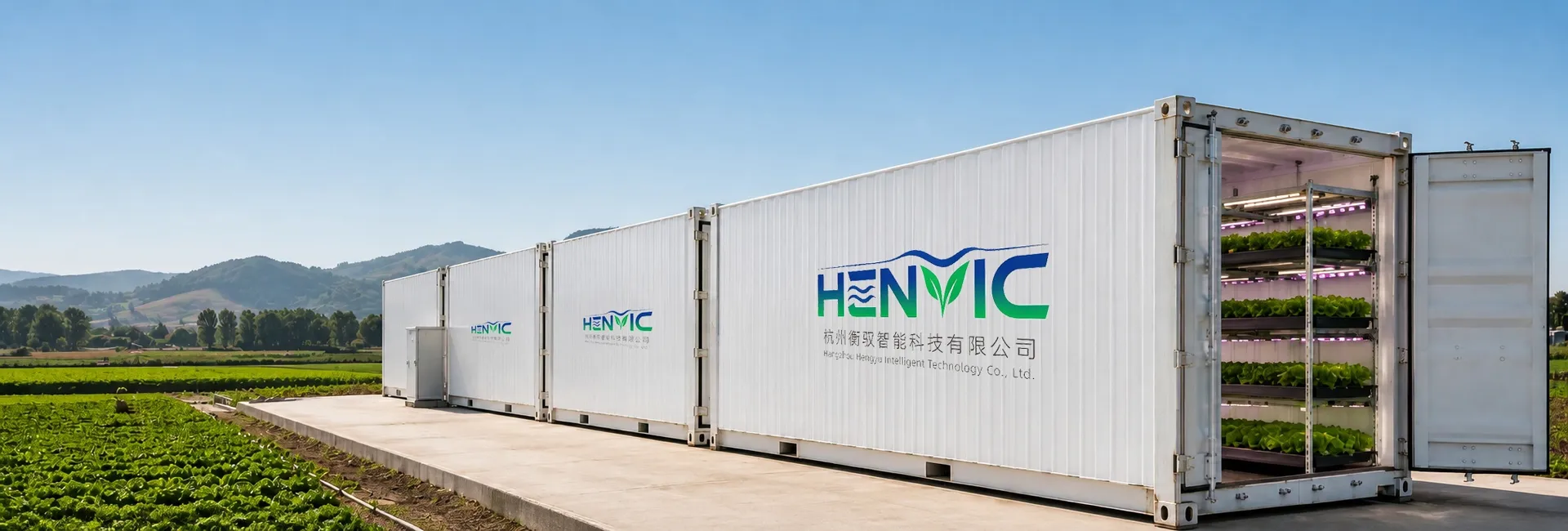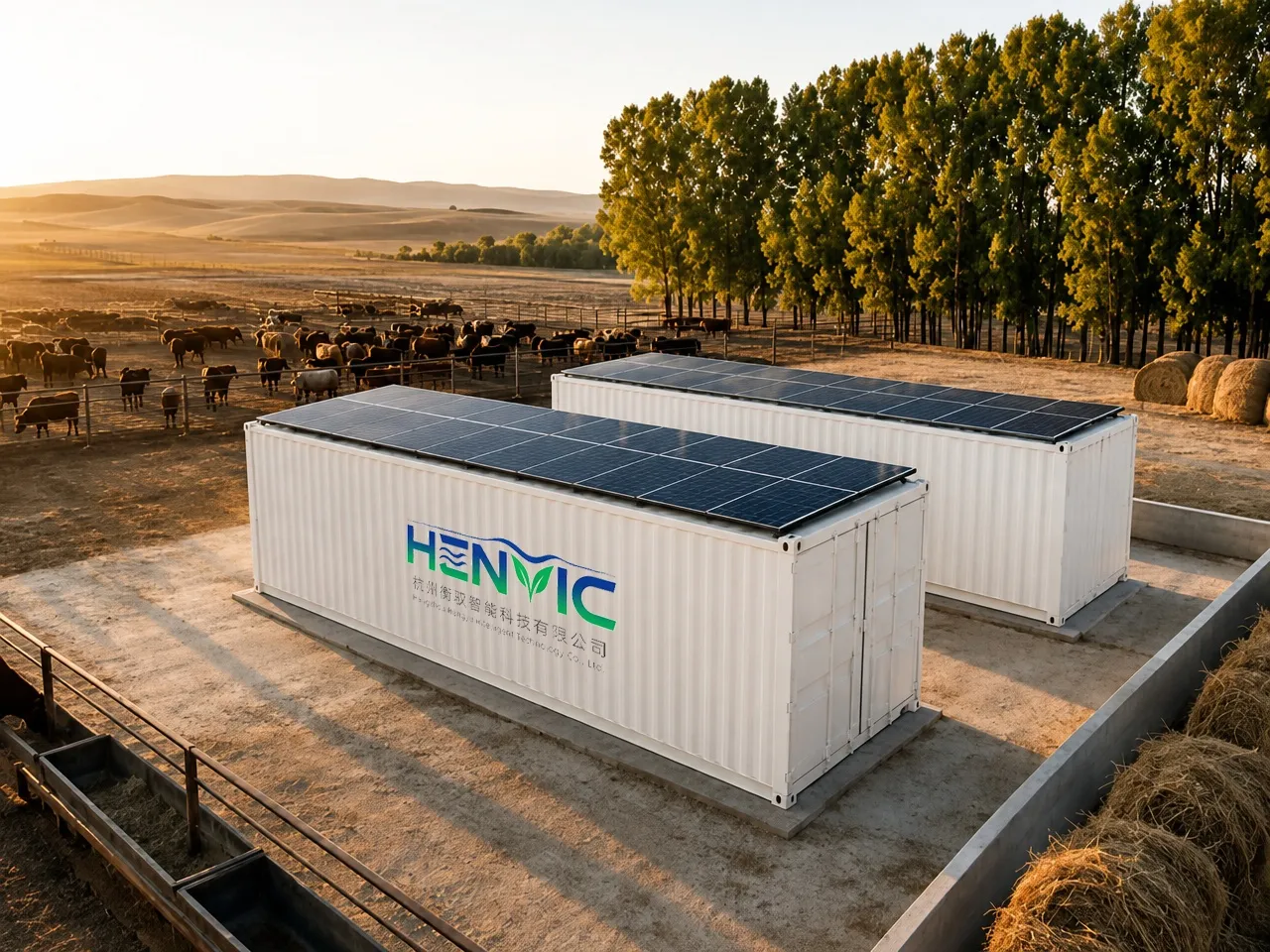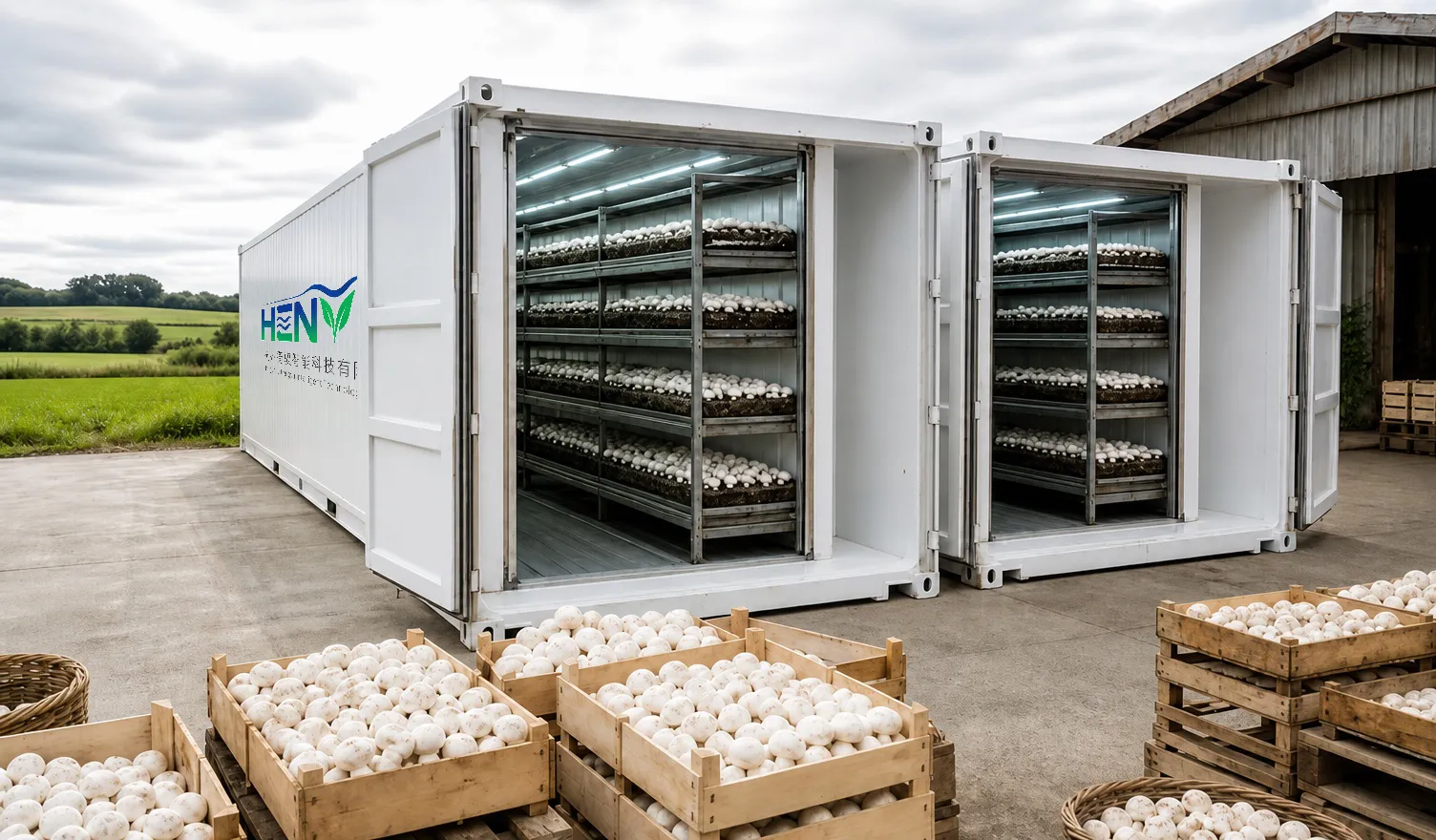
Container agriculture — the practice of growing food inside repurposed shipping containers fitted as controlled-environment growing chambers — has moved from demonstration project to a defined equipment category. The premise is simple: take a standardized 20- or 40-foot intermodal container, insulate and seal it, and fill it with racks, lights, hydroponic plumbing, and climate control. The result is a self-contained production module that can be sited almost anywhere, operates year-round independent of weather, and produces leafy greens, herbs, microgreens, or mushrooms on a footprint measured in square meters rather than hectares.
Its appeal is not novelty. It is the ability to place production next to consumption, eliminate transport distance, and deliver a consistent product regardless of season or climate. The same engineering that makes a container portable also makes it tightly controllable, and tight control is precisely what high-value horticulture demands.
The Container as a Growing Environment
The physical starting point is a steel ISO container. Its standardized external dimensions enable road, rail, and sea transport, while its internal volume — roughly 33 cubic meters for a 20-foot unit — sets a hard boundary on every design decision. Because walls are uninsulated steel with poor thermal performance, containers are lined with insulated panels, typically 50 to 100 mm of polyurethane or PIR foam, reducing the envelope's thermal conductivity to a level where refrigeration and heating loads become manageable.
Sealing the box is equally important. Container agriculture runs on recycled air, and every uncontrolled air exchange imports heat, moisture, and pests while exporting the cooled, enriched atmosphere the crop needs. Vapor barriers, sealed penetrations, and robust door gaskets are fundamental to efficiency. Once sealed, the container becomes a vapor- and temperature-controlled vessel whose internal climate can be driven to setpoints that outdoor or greenhouse production cannot achieve with the same precision.
Vertical Growing Architecture
The defining productivity feature of container farming is verticality. Rather than a single horizontal canopy, the container is filled with multi-tier growing racks — typically three to six tiers, with 30 to 45 cm of vertical spacing per tier. This multiplies the effective growing area by the tier count. A 20-foot container with a 12-square-meter footprint can present 50 to 70 square meters of growing surface.
Vertical architecture changes the design problem. Light must reach every tier evenly, air must circulate past every plant canopy, and irrigation must serve every level without flooding the one below. These constraints are what make container farming an engineering discipline rather than simple gardening, and they drive the choice of LED lighting, airflow patterns, and irrigation architecture.
Environmental Control as the Core Technology
The heart of any container farm is its climate control system. Temperature, relative humidity, carbon dioxide concentration, and air velocity must all be held within narrow bands. Leafy greens typically want 18–24°C air temperature, 60–75% relative humidity, and CO2 enriched to 800–1,200 ppm. Mushrooms have very different requirements, often demanding 14–18°C with 85–95% humidity. The control system must deliver these conditions continuously, day and night, winter and summer.
Because the container is sealed, sensible and latent heat are the dominant loads. LED fixtures reject most of their electrical input as heat; transpiration loads the air with water vapor; and the plants themselves add heat. A properly sized refrigeration and dehumidification system removes both heat and moisture, while heaters and humidifiers correct in the opposite direction when needed. The detail of these systems is treated separately, but the principle is central: container farming is fundamentally a climate-control problem wearing a horticulture costume.
Resource Efficiency
Container farms are often justified on resource efficiency. Because water is recirculated in a hydroponic loop, consumption is a fraction of field irrigation — commonly 90% lower per unit of produce. Nutrient solution is recycled rather than leached. Because the environment is sealed, pesticide use is minimized and often eliminated. Land use is compressed vertically rather than expanded laterally.
These efficiencies are real but conditional. They depend on correct system design, disciplined operation, and continuous monitoring. A poorly maintained container farm can consume more energy per kilogram of produce than a greenhouse, because every inefficiency in a sealed box is amplified: a leak wastes cooling, a clogged nozzle starves a zone, a failing dehumidifier produces disease.
Layout and Workflow
Inside the container, space is organized into functional zones: the growing chamber, a small utility bay for HVAC and electrical equipment, an irrigation reservoir and dosing station, and a harvest or seedling area. Because space is so tight, workflow design matters. Sowing, transplanting, harvesting, and cleaning all occur in the same narrow volume, and poor layout turns routine tasks into bottlenecks.
Many operators separate seedling propagation from production. Seedlings are started in a nursery rack or a dedicated propagation container and moved into the production module once established. This improves space utilization and allows each stage to be tuned to the crop's needs. Some operators run several containers in a daisy chain, dedicated to different stages or crops, balancing the system around a common harvest schedule.
Crop Selection
Container economics favor high-value, fast-cycle, low-footprint crops: leafy greens, culinary herbs, microgreens, and specialty mushrooms. These crops turn quickly, command premium prices, and tolerate the relatively low light levels a container can deliver. Crops that demand high light integrals or long seasons — tomatoes, peppers, fruiting vegetables — generally cannot justify container costs unless the market premium is extreme. Crop selection therefore is not an agronomic afterthought; it is the primary economic filter.
The Operating Principle
Stripped to essentials, container agriculture works by decoupling production from climate. It trades space and energy for control, and control for consistency and proximity. The value proposition is strongest where land is scarce or expensive, where climate is hostile, where freshness carries a premium, and where supply chain distance is a liability. Under those conditions, the container is not a gimmick but a rational production platform — and understanding its architecture is the precondition for operating it profitably.