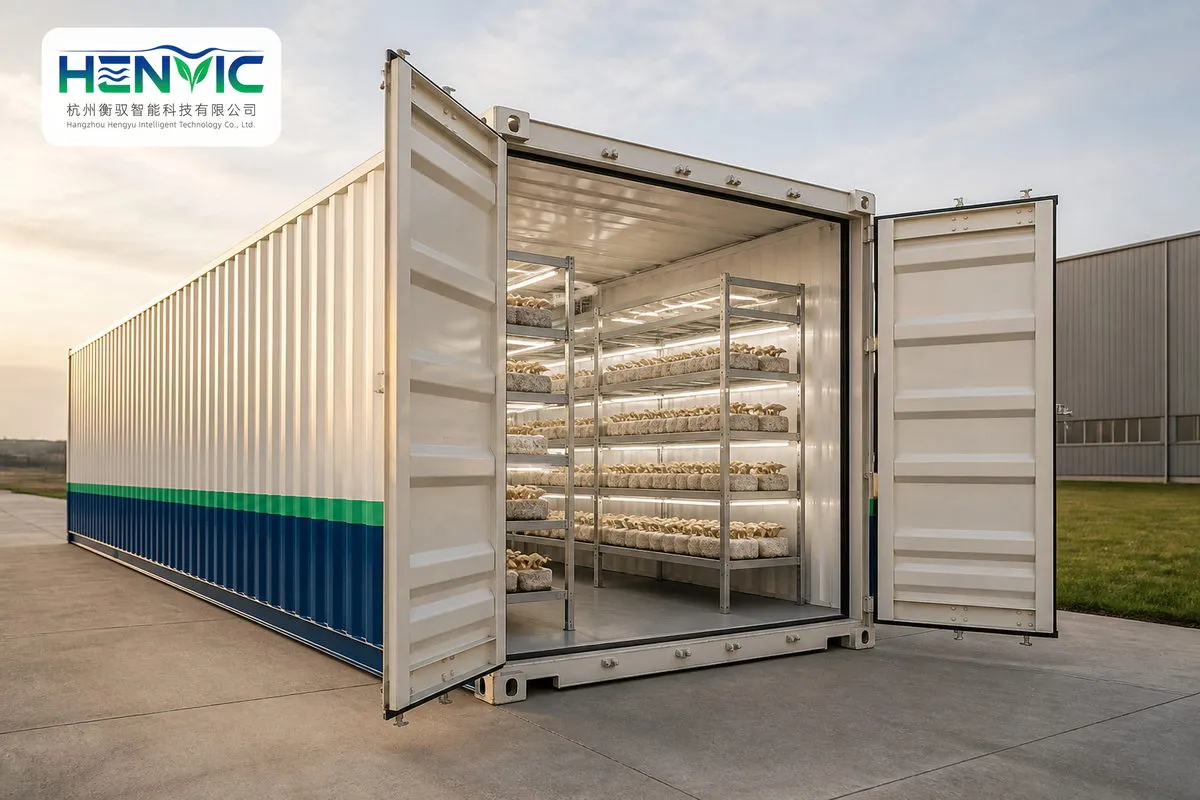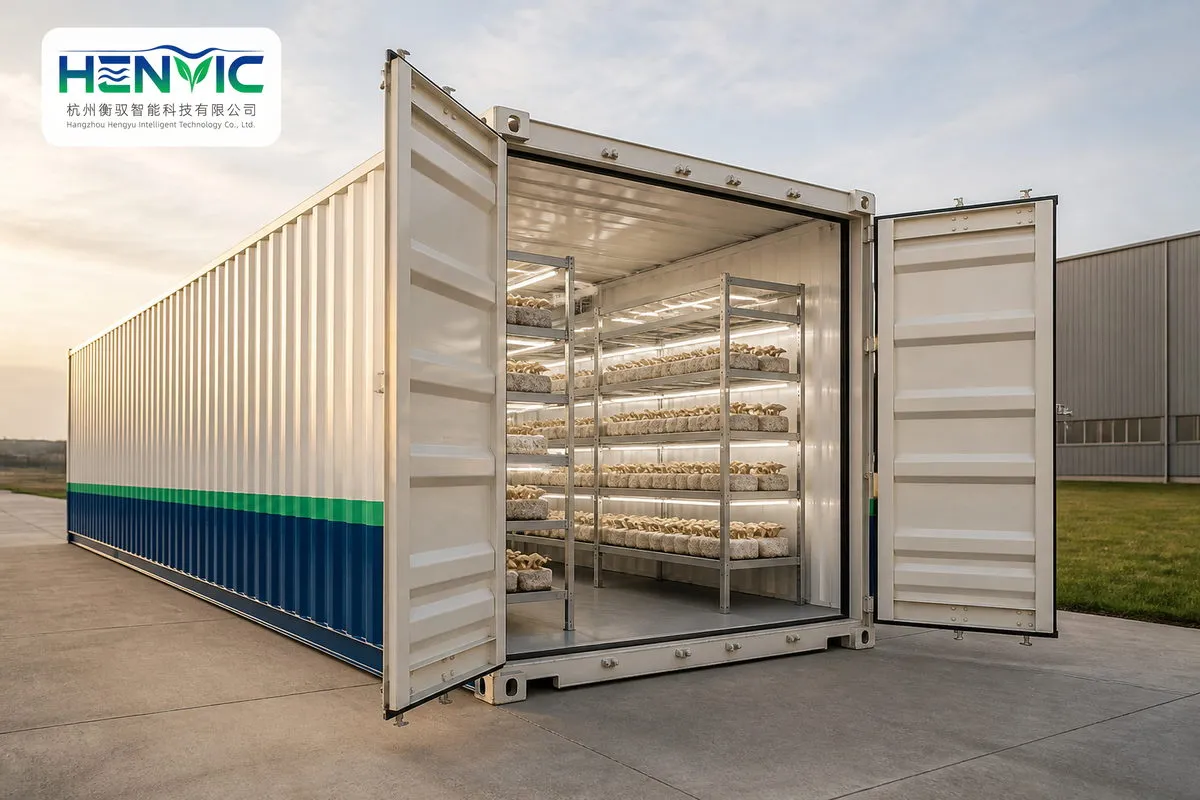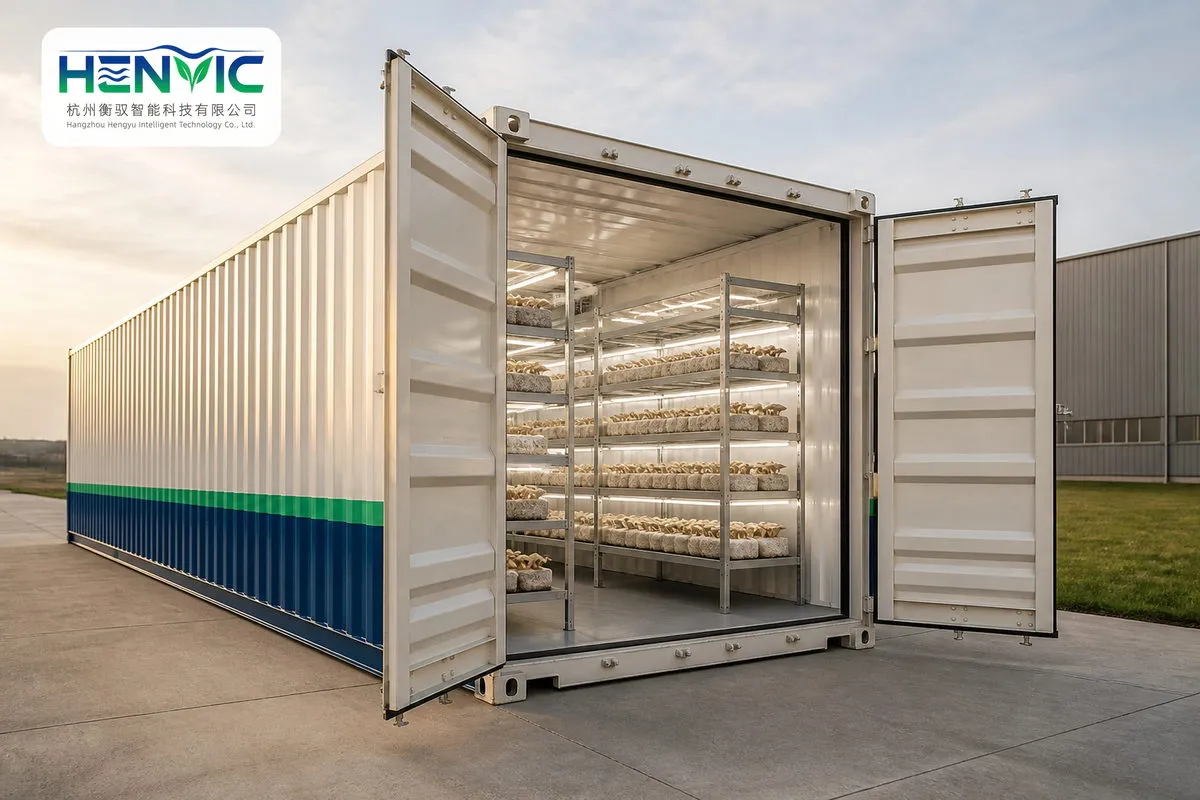
Oyster mushrooms (Pleurotus spp.) account for over 30% of global commercial mushroom production, celebrated for their fast growth, adaptability and nutritional value. As demand for high-quality, residue-free produce surges, controlled environment cultivation chambers have emerged as a game-changing technology to replace traditional open-air or simple greenhouse growing, minimizing contamination and maximizing efficiency.
Core Technical Components
A modern oyster mushroom cultivation chamber is an integrated, fully enclosed system built around three interconnected subsystems:
1. Environmental Regulation Subsystem
Precise controls form the backbone of the chamber. Temperature is maintained at 24–28°C peak fruiting stage temperatures vary by strain, ranging from 10–25°C. High-precision sensors continuously monitor readings every 10 minutes, triggering backup units during abnormal fluctuations.
2. Airflow and Ventilation Subsystem
Outdoor air passes through a three-stage HEPA filtration setup to remove particulates, guaranteeing quality with zero pesticide residue. Oyster mushrooms rely on indirect air exchange; direct airflow often damages gills and induces premature spore release. A slight positive pressure prevents unfiltered air infiltration, forming a contaminant barrier at entry points.
3. Lighting and Humidity Control System
LED arrays simulate natural daylight at 200–500 lux, with adjustable spectra to regulate fruiting, and cultivation cycles typically span 4–6 weeks from inoculation to harvest, varying by strain and conditions. A high-pressure atomization system stabilizes humidity at 85–95%, paired with airflow to prevent condensation while maintaining moisture without saturating air.
4. Data and Automation Platform
Brain of the chamber, a PLC system integrates all controls. Operators can manage parameters remotely via mobile apps, plus automated alerts trigger on off-target readings, and historical data is logged for traceability and optimization.
Operational Process
Scaling from prototype to large-scale chambers demands multiple optimization cycles. Each harvest cycle leaves residual matter; strict cleaning protocols prevent pathogen buildup. Post-harvest residue serves as organic fertilizer for crops or feedstock for bioenergy.
Future Prospects
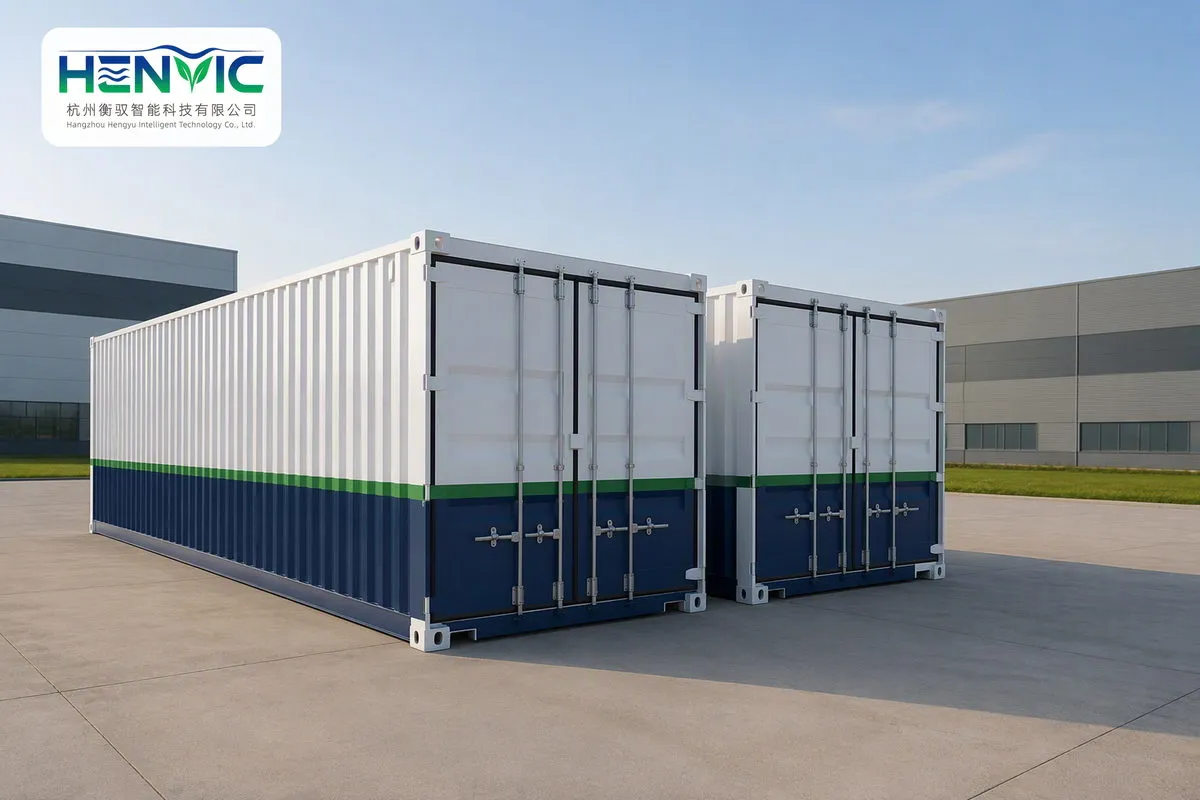
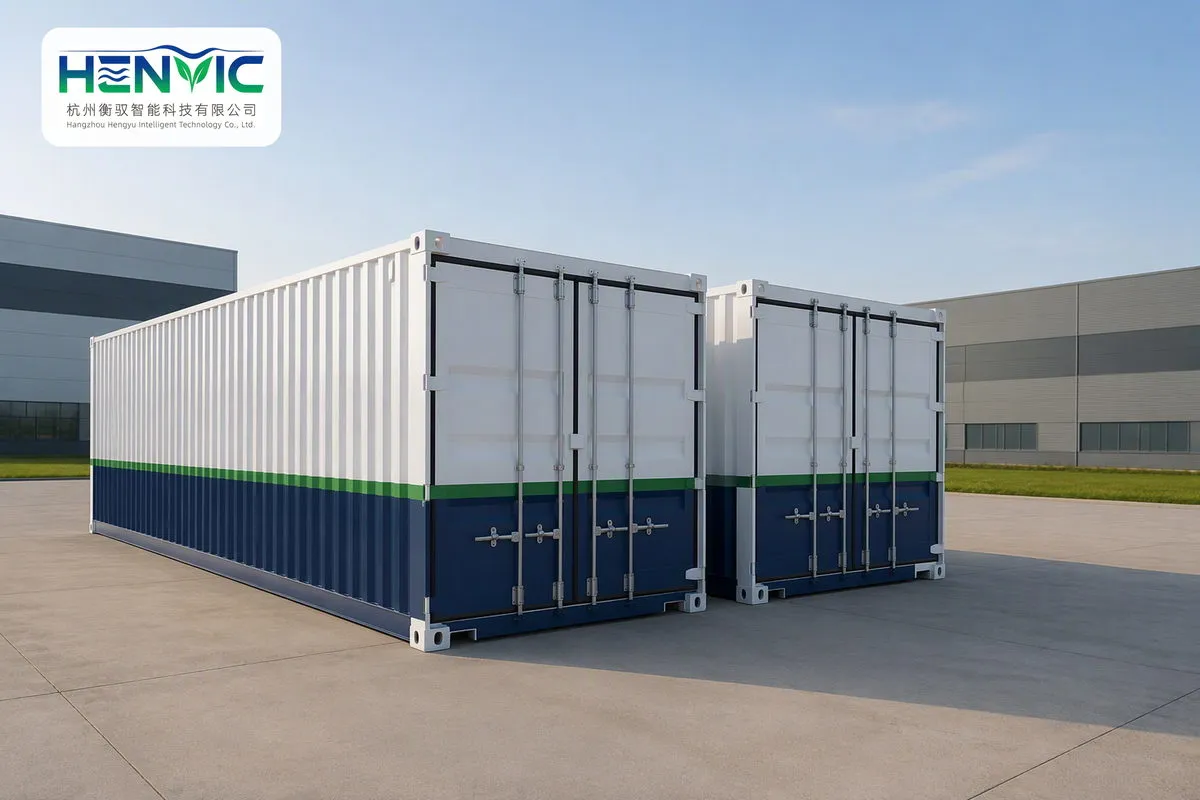
Driven by AI and Io, next-gen chambers will predict changes and autonomously adjust parameters. Integration with renewable energy will cut ties to fossil fuels. Modular, containerized chambers democratize access for small farms, unlocking rural potential and boosting food security.
Core Advantages and Operational Protocols
Compared to greenhouses, chambers slash contamination rates from 10–20% to under 1%, and boost yields 40–60% while minimizing labor and pesticide use. To maintain peak efficiency, rigorous operational protocols are critical. Each cycle concludes with thorough disinfection via UV sterilization and hydrogen peroxide fogging.
By integrating precision controls with renewable energy, oyster mushroom cultivation chambers epitomize sustainable vertical farming. They unlock high-yield, traceable production for diverse strains, and expand access for small farmers, bolstering food security and the green economy.