Abstract
Faced with growing pressures of urbanization, climate variability, and strain on arable land, controlled environment agriculture (CEA) has become a critical pathway for sustainable vegetable production. Among CEA systems, container-based vegetable farming has gained widespread attention due to its modular design, high land-use efficiency, and non-dependence on natural soil. This article provides a comprehensive overview of vegetable cultivation containers, covering structural design, key environmental control technologies, application scenarios, advantages, existing challenges, and future trends.
Keywords
vegetable cultivation containers; controlled environment agriculture; hydroponics; smart agriculture; resource efficiency
1. Introduction
The global demand for fresh, high-quality vegetables is rising continuously. However, conventional open-field cultivation is constantly threatened by extreme weather, soil degradation, pest infestation, and the fragmentation of cultivated land. Greenhouse cultivation mitigates these problems to some extent but is constrained bypenetrationvarying light intensity and vulnerability to regional climate differences.
Container-based vegetable cultivation represents a paradigm shift, converting vegetable production into self-contained, digitized industrial units. It effectively integrates modern biological technology, information technology, and engineering management, offering a viable solution to achieve low-carbon and intensive vegetable production.
2. System Structure and Core Components
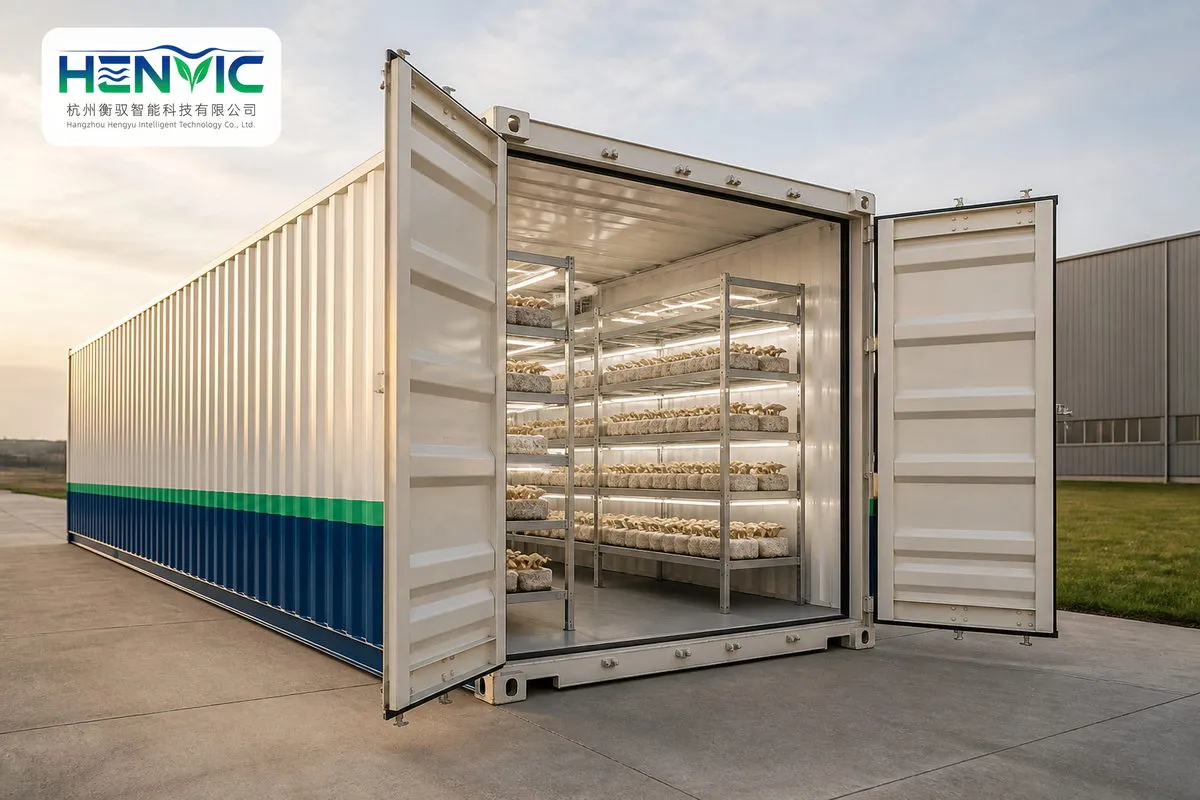
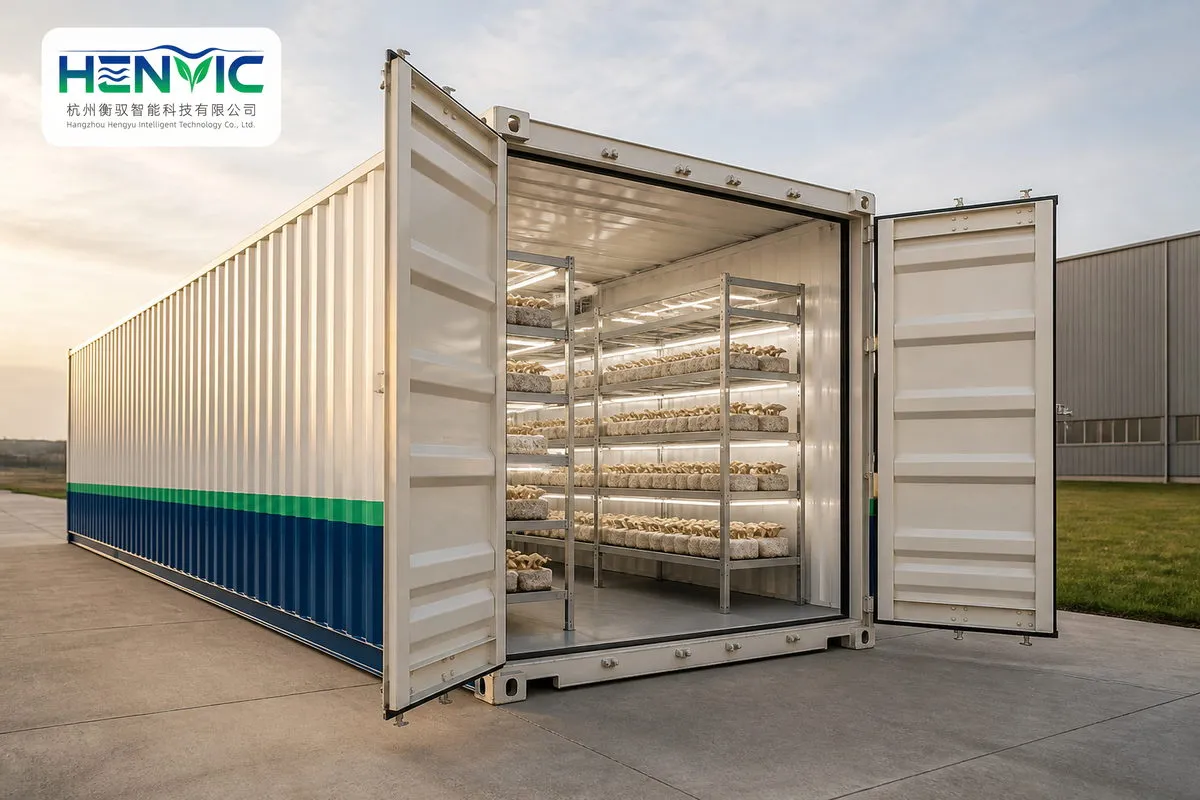
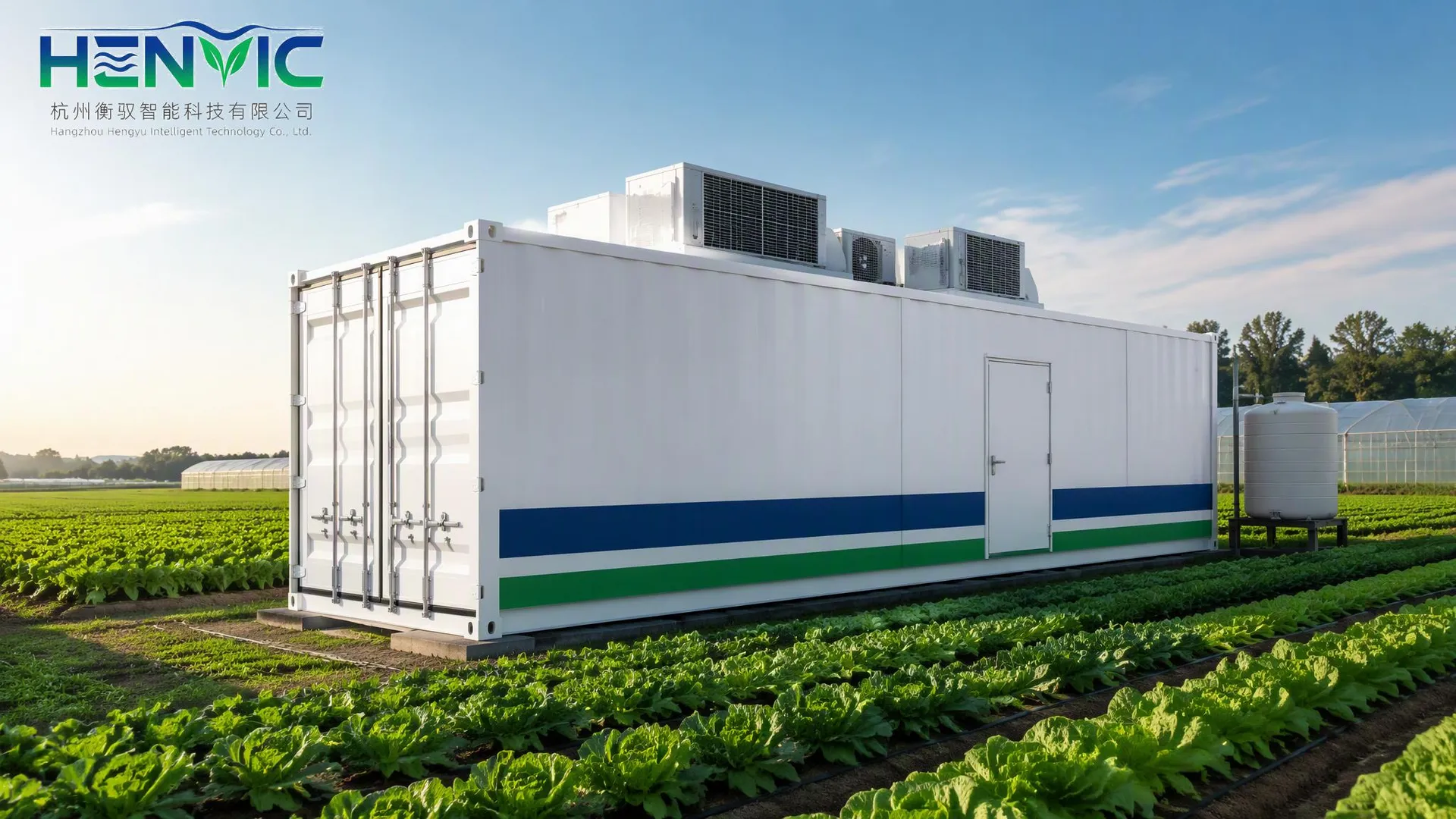
A typical vegetable cultivation container comprises an envelope structure, cultivation subsystems, and an intelligent control system. Each part plays a unique role in ensuring plant growth and system stability.
2.1 Envelope Structure
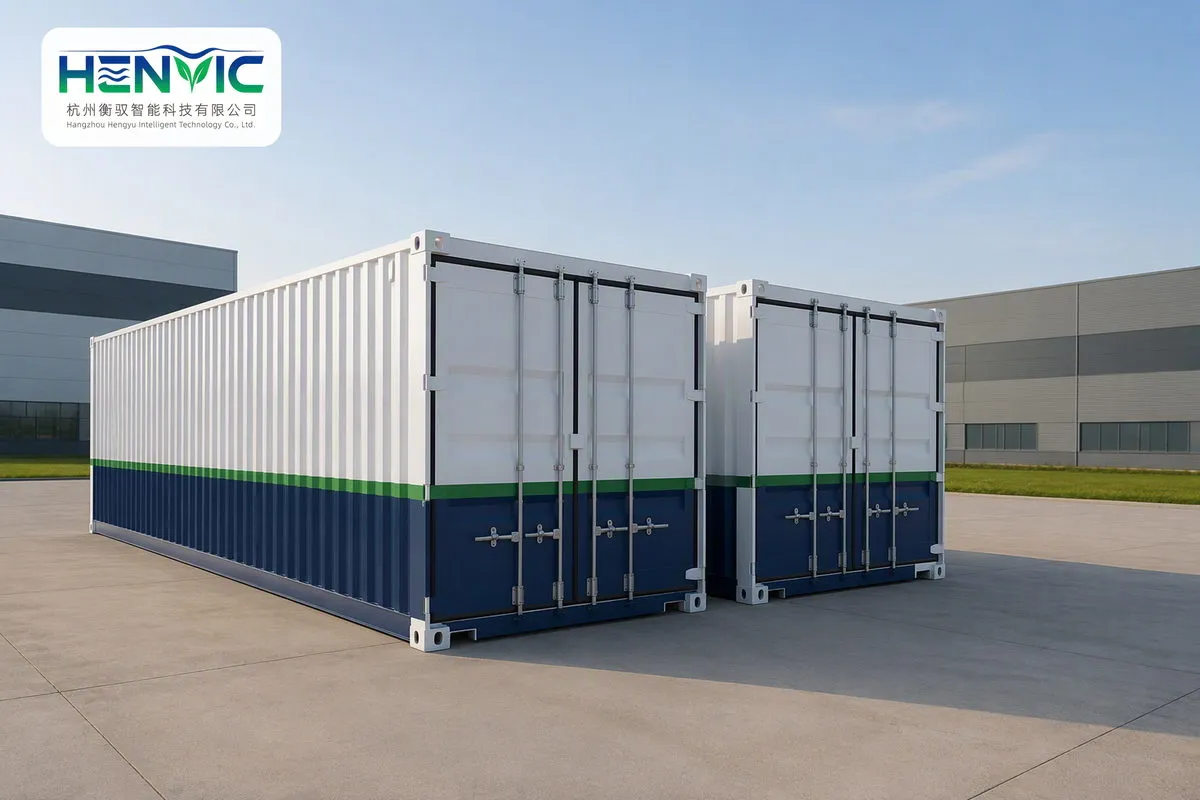
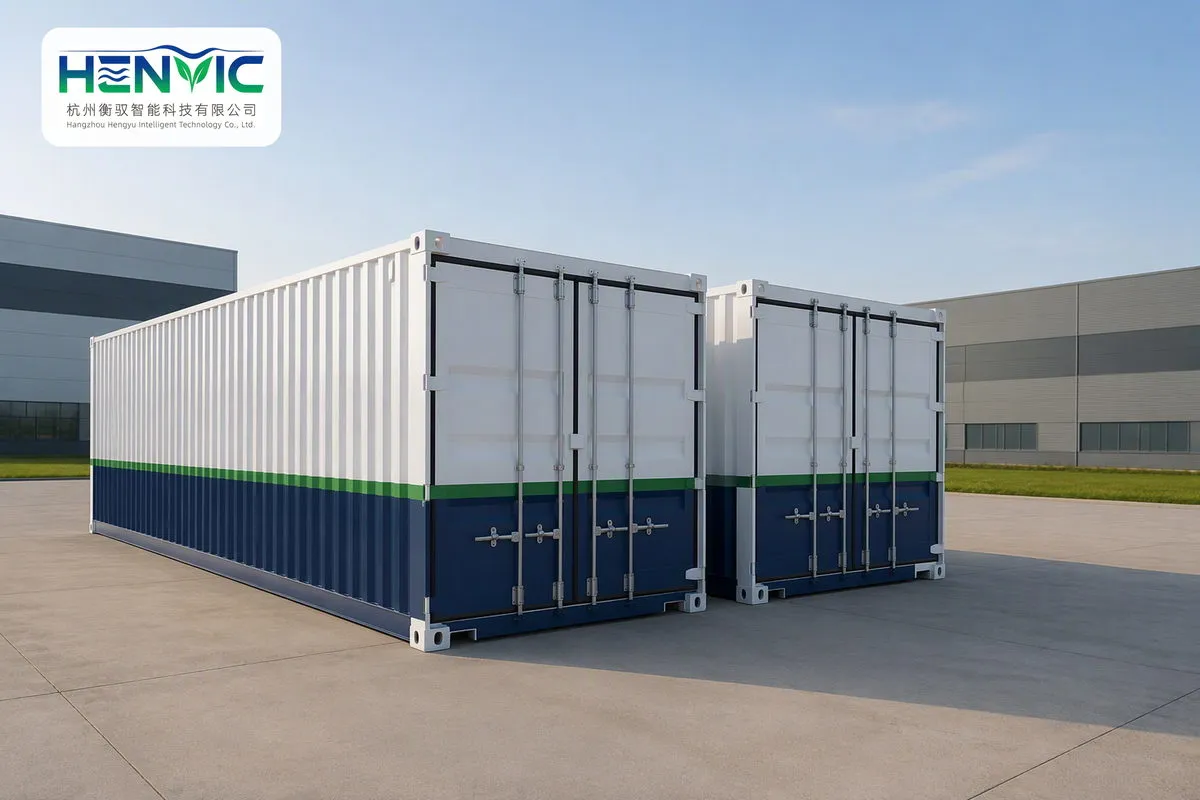
The container shell is typically fabricated with multi-layered thermal insulation materials to maintain a stable internal environment regardless of external weather conditions. Its compact footprint allows flexible placement inurban rooftops, factory buildings, or desert areas, making arid or non-arable land usable for agricultural production.
2.2 Cultivation Subsystems
Hydroponic System: Hydroponic cultivation is the most widely adopted approach, using nutrient solution instead of soil. Automated nutrient solution circulation continuously monitors and adjusts parameters such as pH and electrical conductivity (EC).
Aeration System: Dissolved oxygen levels are maintained through circulation and aeration, addressing the common root oxygen deficiency issues encountered in traditional soil and closed-system cultivation.
Lighting System: Full-spectrum LED grow lights simulate natural light spectra and photoperiods, allowing year-round production independent of sunlight intensity.
2.3 Intelligent Control System
An integrated sensor network collects data on temperature, humidity, light, CO₂ concentration, and nutrient solution properties. These data are transmitted to a central control platform, enabling automated adjustments of lighting schedules, ventilation, watering, and fertilization. Mobile or cloud-based interfaces further support remote monitoring and guidance for daily management.
3. Main Cultivation Modes
Containerized cultivation supports diverse vegetable species; the following are the most common cultivation modes.
3.1 Leafy Green Production
Leafy vegetables such as lettuce, celery, and baby spinach grow rapidly in controlled environments. By precisely adjusting light intensity, photoperiod, and nutrient composition, farmers can significantly shorten the production cycle and guarantee high yields and consistent quality.
3.2 Fruiting Vegetable Cultivation
For fruiting vegetables like cherry tomatoes and cucumbers, environmental control must focus on flowering and bearing stages. It involves hybrid environmental management emphasizing balanced heat, light, moisture, airflow, and required nutrient delivery to maximize fruit quality and yield.
3.3 Microgreens
Microgreens, which are harvested at the seedling stage, rely on extremely precise environmental control. Container systems facilitate rapid, clean, and batch-sterile production cycles, fitting niche market demands.
4. Technical Advantages
4.1 Independent Environment Control
Containers are isolated from external climate conditions. Temperature, humidity, and light can be adjusted to maintain optimal growing conditions year-round, effectively eliminating seasonal constraints.
4.2 HighResourceUtilization
Water Efficiency: The closed-loop nutrient solution system recycles water continuously, significantly reducing water consumption compared to soil irrigation or greenhouse irrigation.
Fertilizer Reduction: Manual fertilization is replaced by closed-loop precise fertilization, significantly lowering fertilizer usage.
Land Productivity: Vertical stacking of cultivation racksmultiplies yield per unit area, creating higher productivity in limited space.
4.3 Biosecurity and Quality Assurance
Closed environments block penetration of external pests, eliminate soil pollution, and reduce pesticide use. The resulting vegetables are safer, more consistent, and easier to trace from seed to harvest.
5. Current Existing Challenges
5.1 High Investment Costs
The initial investment for container construction, advanced sensors, lighting systems, and control equipment is considerably higher than traditional cultivation facilities, especially for small farms or startups.
5.2 Energy Intensity
Container farming relies heavily on artificial lighting and HVAC systems. The daily power consumption for lighting, ventilation, and water circulation is substantial, increasing the operational cost pressure.
5.3 Technical Skill Requirements
System operation involves biological knowledge, technical expertise, and data literacy. Insufficient knowledge during transitioning to automated systems may lead to expensive crop failure risks.
6. Future Development Trends
6.1 Deeper Integration with Renewable Energy
Combining solar, photovoltaic, and wind systems with container farms will significantly lower carbon emissions and improve long-term operational economy.
6.2 Intelligent Optimization with AI and Big Data
Machine learning models trained with historical crop growth data will enable automatic parameter optimization, predicting optimal environmental configurations for maximum yield.
6.3 Broader Technological Popularization
As related equipment and technologies evolve, costs will reduce gradually, making container farms more accessible to community agriculture, school facilities, or household micro-farms.
7. Conclusion
Container-based vegetable cultivation is a modern agricultural technology that integrates intensive management, energy efficiency,and digital intelligence. Despite challenges in investment and operational proficiency, its advantages in environmental controllability, resource efficiency, and crop safety are remarkable. With continuous technology upgrades and growing market demand, container-based vegetable cultivation will progressively evolve into an important component of future sustainable agricultural systems.