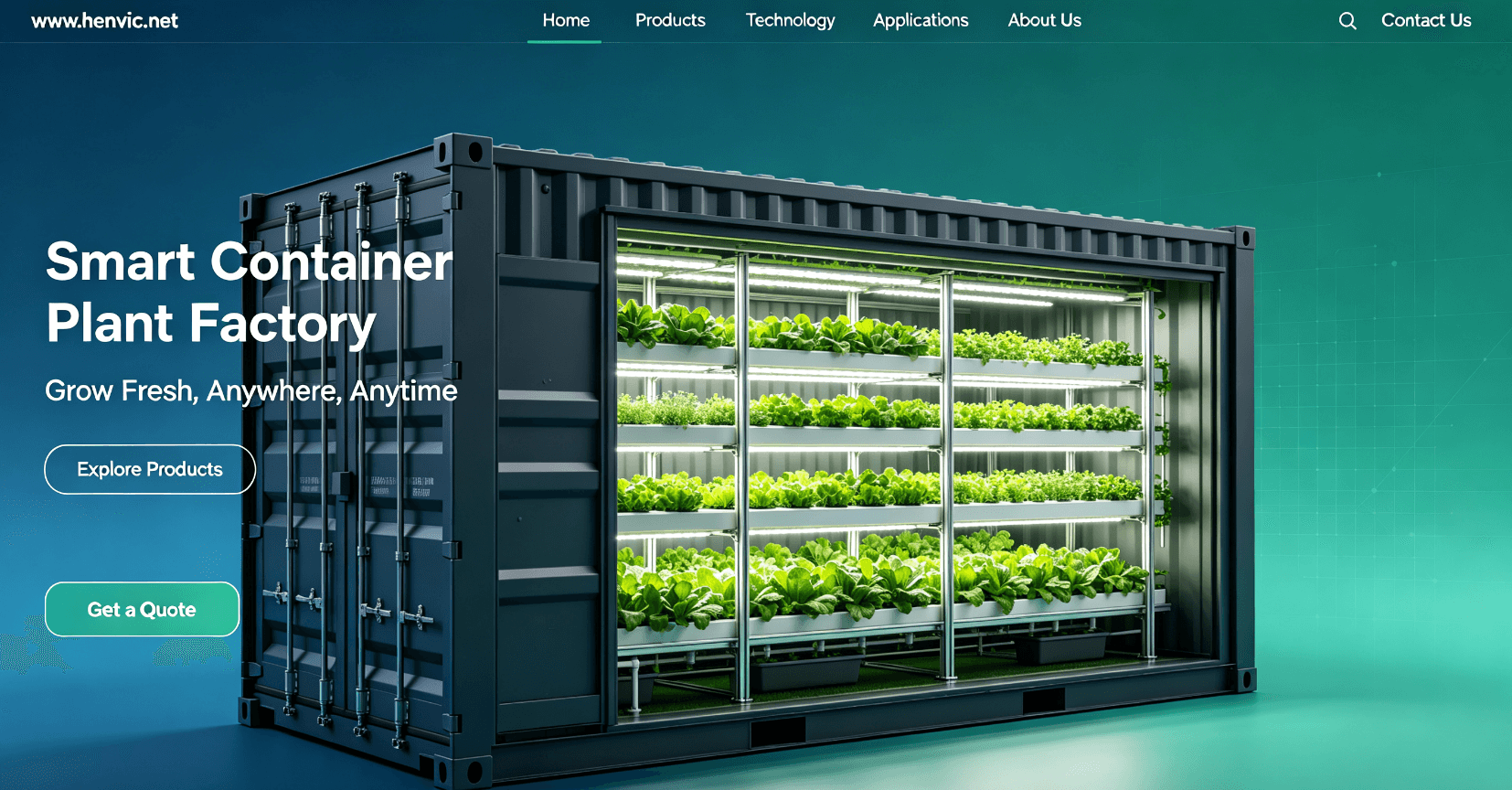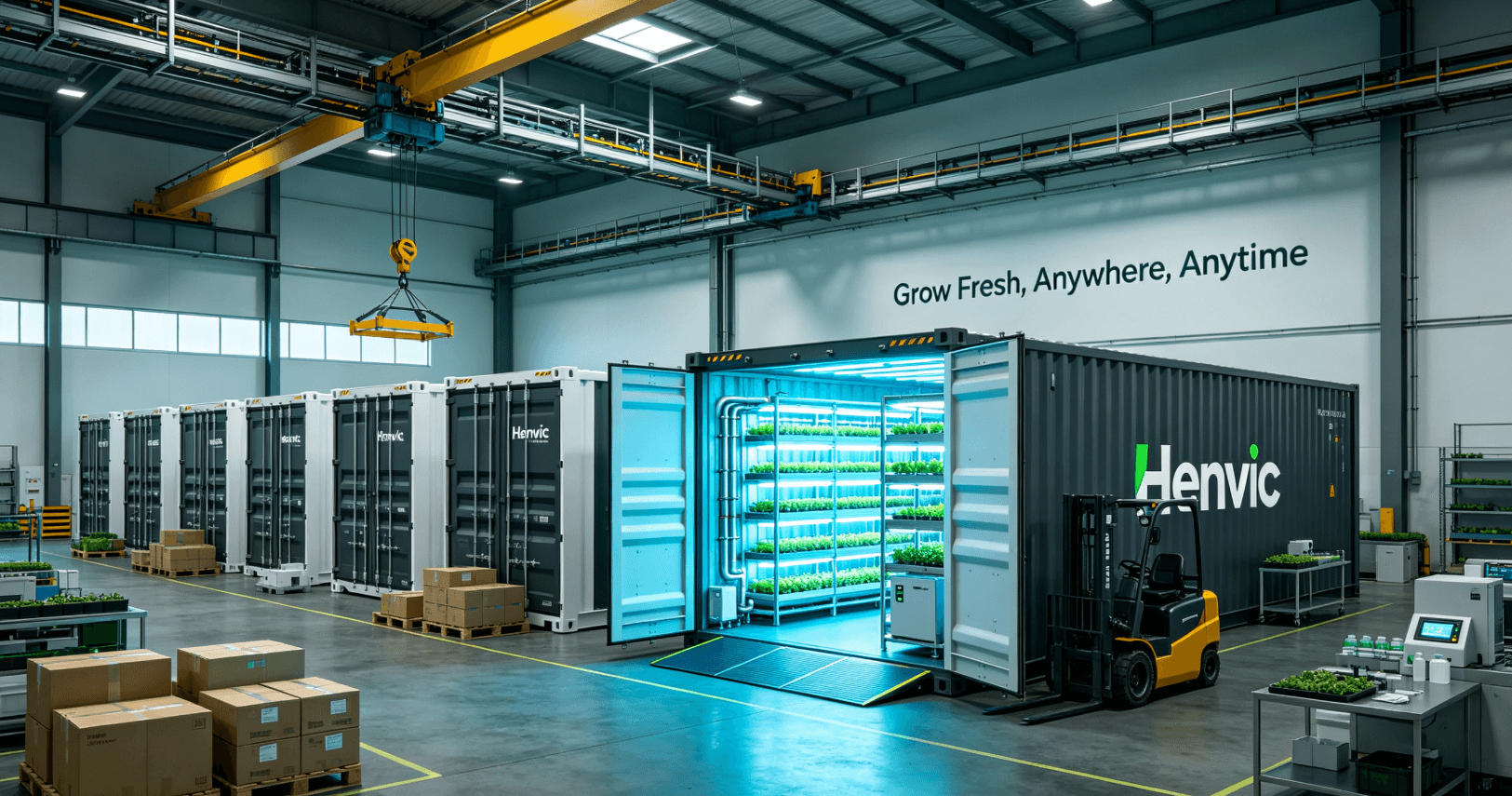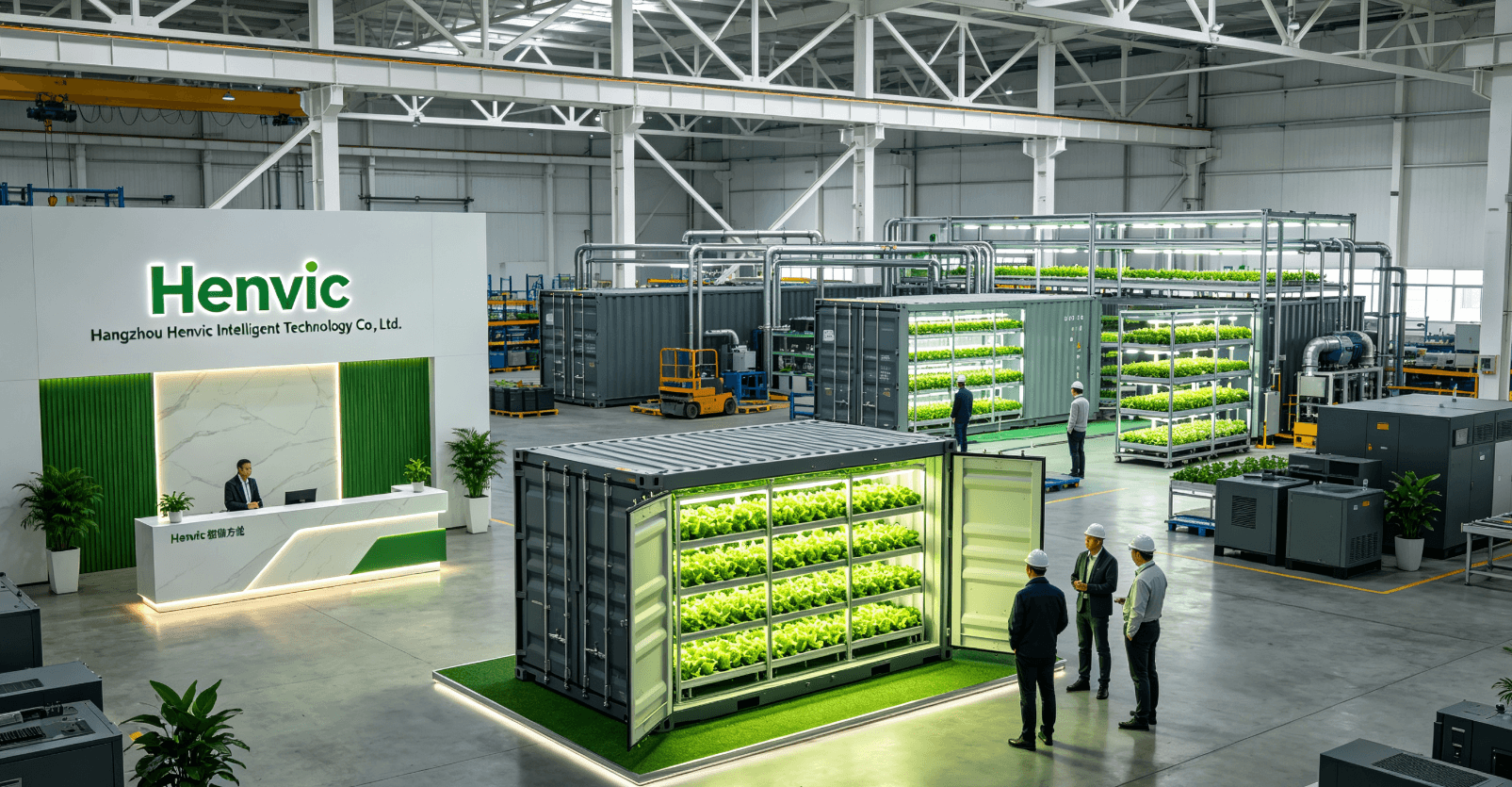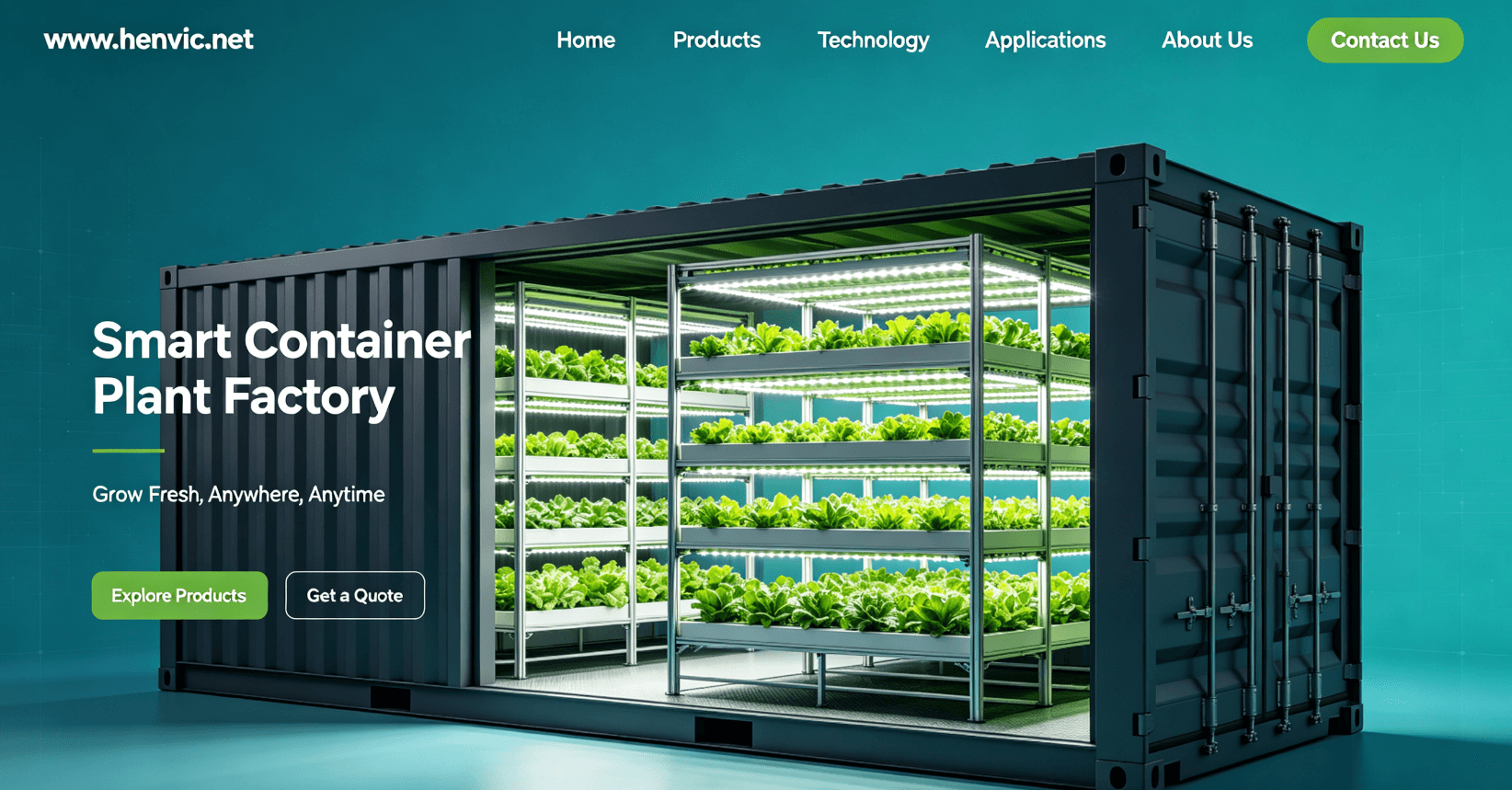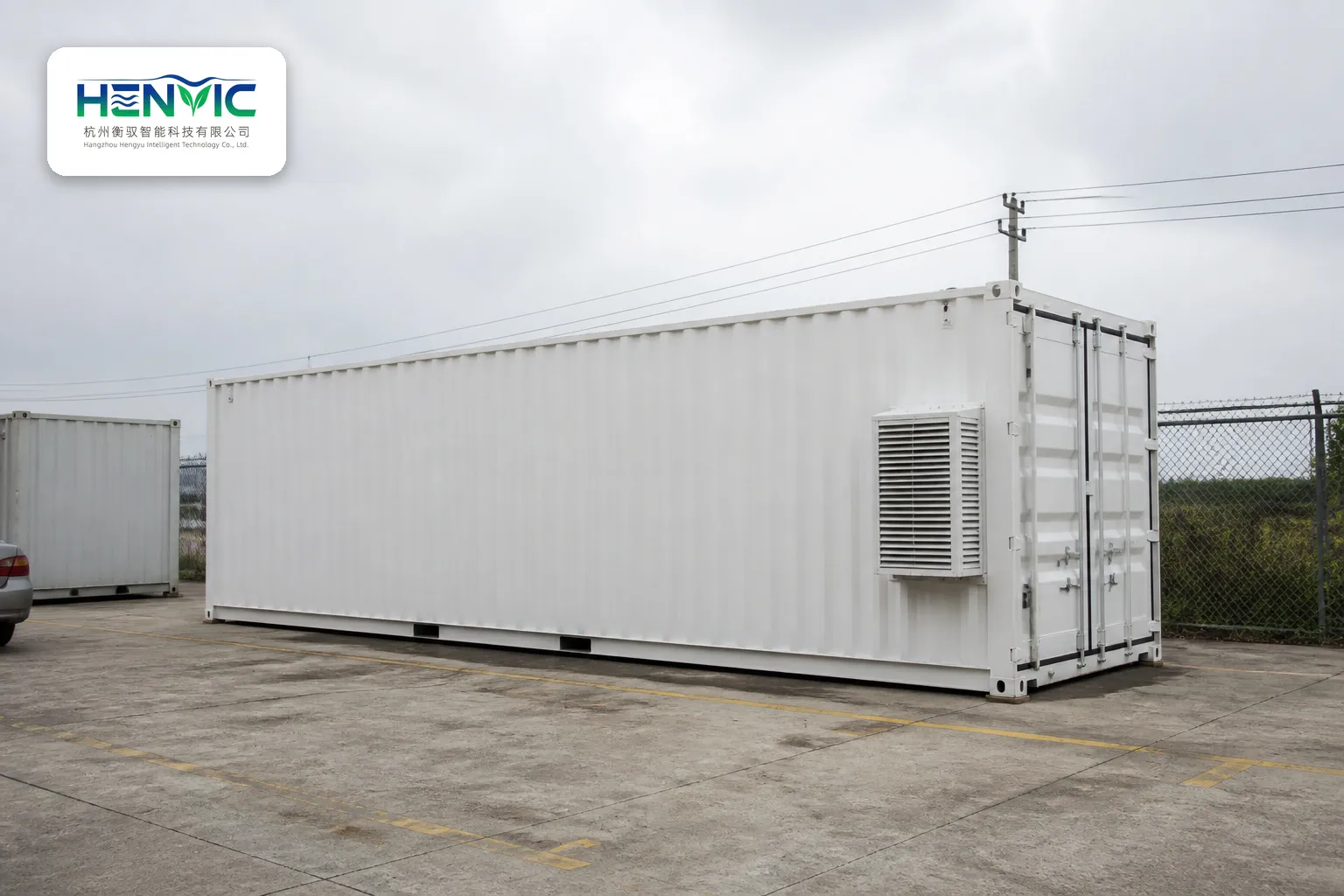
A leafy green cultivation container is a vertically stacked, sealed controlled-environment chamber optimised for one specific commercial profile: shallow-rooted, high-moisture, fast-cycle crops harvested as vegetative tissue and sold raw. Lettuce, baby leaf, kale, spinach, arugula, mibuna, tatsoi, microgreens and tender herbs are the target species, and the entire machine is shaped by four facts about them. They are mostly water. They grow fast. They are eaten uncooked. And their most characteristic failure is not a pest or a pathogen but a physiological disorder driven by the environment the container itself creates. Everything that distinguishes a leafy-green box from a fruiting or fungal container follows from these four points.
Crop Physiology as the Design Constraint
A leafy green is essentially a photosynthetic surface with a thin vascular system attached. There is no fruit set to trigger, no substrate to consume, no morphogenetic phase transition to schedule. The crop's commercial value is the intact, turgid, unblemished expansion of a few dozen leaves over a 25 to 35 day cycle from seed, or 12 to 21 days for microgreens and baby leaf. This has three direct consequences for the engineering.
First, yield is a function of turnover rather than of biomass per plant. A container's output is set by how many crop cycles it can complete per year and how many planting layers it can fit under a working ceiling height, not by how large any individual plant grows. Second, because harvestable tissue is nearly 95 percent water, the ratio of water moved through the plant to dry matter produced is enormous, which makes transpiration management — not photosynthesis — the dominant physiological control problem. Third, because the product is consumed raw with no kill step, the hygiene architecture of the box is a food-safety system, not merely a quality measure.
Vertical Stacking and Canopy Geometry
The economic viability of a leafy-green container rests almost entirely on stacking. Racks of five to twelve tiers, each carrying trays of 200 to 400 plants, multiply effective leaf area several-fold over the floor footprint while keeping the whole system inside a 60 to 90 centimetre working depth. This geometry is not arbitrary: a container's narrow interior means that a large fraction of every canopy sits within centimetres of a vertical surface or a light fixture, which is precisely why reflective linings, tight fixture-to-canopy distances and uniform inter-tier airflow matter so much.
The constraint imposed by stacking is light distribution rather than light quantity. Fixtures must deliver a coefficient of uniformity high enough that no tier is visibly under-illuminated, and the gap between fixture and canopy must be small enough to avoid beam divergence losses while large enough to permit airflow and heat extraction. Tier height is a genuine design compromise: taller tiers suit bolting or tall-stem crops and ease harvest ergonomics, but each additional centimetre of tier height costs roughly one tier of total production area across the box.
Lighting: Spectrum as a Morphogenetic Tool
LEDs are the sole practical light source, and for leafy greens the design conversation is dominated less by intensity than by spectral quality. Photosynthetic targets are modest by horticultural standards — typically 150 to 250 micromoles per square metre per second of photosynthetic photon flux density, giving a daily light integral of roughly 12 to 17 moles per square metre per day for lettuce, with microgreens and brassicas often run somewhat lower. Increasing intensity beyond this band yields diminishing returns and sharply raises the risk of tipburn and nitrate accumulation.
Within that band, spectrum is used to sculpt plant form. Blue light in the 440 to 460 nanometre range is the principal anti-etiolation signal: it shortens petioles, thickens lamina, promotes anthocyanin development in red lettuces and improves leaf uprightness, which is directly valuable because an upright, compact plant is easier to harvest, pack and sell. Red light at 660 nanometres drives photosynthetic efficiency and can partially substitute for blue, but an all-red or red-heavy regime produces soft, elongated, pale tissue. Green wavelengths, once considered wasted photons, are now understood to penetrate deeper into the canopy and contribute to photosynthesis in lower leaves — a real effect in a stacked system where the lower canopy is shaded by the upper.
Far-red around 730 nanometres is a deliberate lever in both directions: it can accelerate growth and expand leaf area through shade-avoidance signalling, but it also promotes petiole elongation, so it is used sparingly and mostly in finishing recipes for loose-leaf types. Narrow-band UV-B at low dose is applied in some systems as a controlled stress to elevate flavonoid and phenolic content, trading a small yield penalty for measurable nutritional and shelf-life gains. Photoperiods of 14 to 18 hours are standard, with a genuine dark period retained rather than continuous light, because uninterrupted illumination disrupts carbohydrate translocation, promotes tipburn and in some species induces abnormal physiology. Dimmable multi-channel fixtures plus dawn and dusk ramps allow a single box to run distinct recipes for germination, seedling, bulking and finishing.
Tipburn: The Signature Disorder of the Container
No other crop-specific problem so clearly exposes the coupling between the box's environment and the plant's physiology. Tipburn — necrotic browning and scorching at the marginal and newly expanded leaf tips — is the dominant quality defect in closed-environment leafy production, and it is a calcium-transport failure, not a calcium shortage in the nutrient solution.
Calcium moves passively in the xylem stream, carried by the transpiration flux. In a container, three conditions conspire against it. Humidity is high because the box is sealed and the canopy is dense, so transpirational pull is weak. Air movement across the newest, innermost leaves is poor, so their boundary layer stays saturated and they barely transpire at all. And light intensity is high, so those young marginal tissues expand faster than their vascular supply can keep pace. The result is that calcium never reaches the leaf edge, cell walls form without it, and the tissue collapses as it stretches.
The practical control set is therefore not nutritional but physical: raise vapour pressure deficit to a band that sustains transpiration — commonly 0.8 to 1.2 kilopascals, and deliberately higher during rapid expansion — increase horizontal airflow directly across the canopy rather than merely through the room, moderate peak light intensity, avoid excessive root-zone temperature that accelerates growth outpacing supply, and keep adequate calcium and boron in solution as a supporting rather than primary measure. Because tipburn appears in tissue that was already damaged days earlier, it is a lagging indicator, and the reason modern containers instrument leaf-level temperature and humidity rather than trusting room averages alone.
Climate Control: VPD, Temperature Differential and Carbon Dioxide
Air handling in a leafy-green box is a latent-load balancing act. A dense canopy of shallow-rooted, high-transpiration crops releases substantial water into a sealed volume, and the system must remove that moisture while holding humidity in the narrow band that both sustains transpiration and avoids condensation on leaf surfaces. Free water on leaves is the direct trigger for botrytis and bacterial spotting, and low airflow in the interior of a stack is where it appears.
Temperature is typically held between 18 and 24 degrees Celsius with a modest positive day-night differential of 3 to 6 degrees, since a warm-day, cool-night integral suppresses stem elongation, firms tissue and reduces bolting risk in lettuce. Root-zone temperature is separately controlled, generally 18 to 21 degrees, because warm solution both drops dissolved oxygen and favours pythium, while cool solution slows uptake and can itself contribute to tipburn by restricting xylem flow. Heat pumps are the default machine, providing heating, cooling and dehumidification from one loop, and recovered condenser heat is often routed to pre-heat incoming air or seedling zones.
Carbon dioxide enrichment to 800 to 1200 parts per million does increase growth rate, but in a leafy-green container its economics are weaker than intuition suggests: light is already near saturating, the crop cycle is short, and the marginal biomass gain must be paid for in additional fresh-air exchange, which in turn raises the humidification load. Enrichment is most defensible in high-intensity, long-photoperiod bulking rooms and least defensible in seedling and finishing zones.
Root-Zone Delivery: System Choice and Nitrogen Management
Four root-zone architectures dominate. Nutrient film technique runs a thin recirculating film through shallow channels, giving excellent oxygen exposure and fast growth, but it offers almost no thermal or hydraulic buffer and a pump failure can kill a full tier within hours. Deep water culture suspends roots in an aerified solution on a floating board, which is the classic lettuce method and provides strong buffering at the cost of high oxygen-transfer demand. Aeroponics mists exposed roots, maximising both oxygen and water efficiency while making nozzle fouling and biofilm the governing maintenance task. Substrate systems in rockwool, peat or coir plugs trade some growth rate for forgiveness, and are preferred for seedling production and for operators without tight process control.
The chemistry is distinctive because leafy greens are nitrate-accumulating crops. Solution electrical conductivity is kept low, commonly 0.8 to 1.4 millisiemens per centimetre, with nitrogen supplied almost entirely as nitrate and ammonium held to minimal levels, since ammonium both destabilises rhizosphere pH and depresses calcium uptake. The real management problem is the trade-off between growth rate and product quality: generous nitrogen accelerates bulking but raises leaf nitrate content, softens tissue and worsens tipburn. Commercial practice therefore runs a nitrogen-replete bulking phase followed by a finishing or leaching period of several days on reduced or nitrogen-free solution, plus a calcium-adjusted recipe, to firm the tissue and bring nitrate down to acceptable levels at harvest. pH is held roughly 5.5 to 6.2, dissolved oxygen above 5 to 6 milligrams per litre, and the recirculating stream is disinfected in-line with ultraviolet, ozone or slow-sand filtration.
Food Safety: The Non-Negotiable Layer
Because the crop is eaten raw, a leafy-green container is a food-production facility under the same logic as a cleanroom, and this is the dimension that most sharply separates it from ornamental or fungal cultivation. Nutrient film and deep water culture systems can act as amplifiers of a single contamination event: one introduction of E. coli, Salmonella or Listeria into a shared recirculating loop can distribute across hundreds of plants in hours.
The controls are layered. Source water is treated to potable standard, and reservoirs are sealed, UV-sterilised and monitored. Personnel enter through gowning and hand-hygiene protocols; tools and trays are sanitised between cycles; the interior is cleaned and disinfected between crops rather than merely between harvests. Seed is a frequently overlooked vector, since contaminated seed has launched documented outbreaks, and certified or treated seed with lot traceability is standard practice. Spent solution is not reapplied to growing crops. Finished product is sampled against pathogen criteria, and the whole chain is documented so that a lot can be traced back to a specific tier, tray and harvest day. Zero-pesticide positioning is one of the category's principal market claims, which makes the hygiene discipline a commercial asset as much as a legal obligation.
Post-Harvest and Cold Chain
Leafy greens carry almost no storage reserve and lose turgor quickly, so the harvest-to-chill interval is a quality deadline. Cutting is followed by immediate removal of field heat — forced-air or vacuum pre-cooling to roughly 4 degrees Celsius — then packaging in high-barrier film with modified atmosphere or absorbent pads, and continuous refrigeration thereafter. Because the crop is grown at ambient chamber temperature, the pre-cooling load on a small container operation is proportionally larger than in field agriculture, and the chiller is frequently the single most under-sized component in a first-generation installation.
Energy, Economics and Technical Direction
Energy intensity is the honest constraint. A well-designed 20-foot leafy-green container commonly draws on the order of 10 to 30 kilowatt-hours per day, dominated by lighting and by dehumidification, and because harvested mass is mostly water, the kilowatt-hour-per-kilogram figure is high relative to field or glasshouse production. Photovoltaic coupling, tariff-aware shifting of the photoperiod into low-cost hours, heat recovery and multi-container clusters sharing chilled water and control infrastructure are the standard mitigations.
The economics therefore depend on selling into a narrow but durable value band: hyper-local restaurants, grocers and food-hall operators who pay for same-day harvest and shelf life; premium specialty lines such as microgreens,食用 flowers, rare landrace lettuces and tender herbs where price per kilogram is high and footprint per kilogram is low; and locations where supply chains are long, unreliable or climatically hostile. The category's limits are equally clear — calorie-dense and long-cycle crops do not belong in this format, labour access inside a two-and-a-half-metre-wide box caps scale, and a single pump, controller or chiller fault can destroy a full canopy in hours, which makes redundancy and alarm discipline more valuable than peak performance.
Technical progress is concentrating on the parts of the problem that hardware alone cannot solve. Tunable multi-channel spectrum with per-tier control, model-predictive climate logic that anticipates condensation and tipburn risk from the temperature-humidity trajectory rather than reacting to it, non-destructive canopy sensing using leaf temperature arrays, chlorophyll fluorescence and machine-vision grading, and standardised, transferable growing recipes are the current frontier. Data interfaces and recipe portability are quietly becoming as important as fixture efficacy, because the industry's real product is not lettuce but a reproducible biological process.
A leafy-green cultivation container is best understood as a machine for managing water movement through a plant that is mostly water. Light, nutrition and temperature are necessary, but the box earns or loses its margin on the coupling between transpiration, airflow and vapour pressure deficit — and on the hygiene discipline that lets a raw, ready-to-eat crop leave the door without a kill step behind it.